Song Meaning
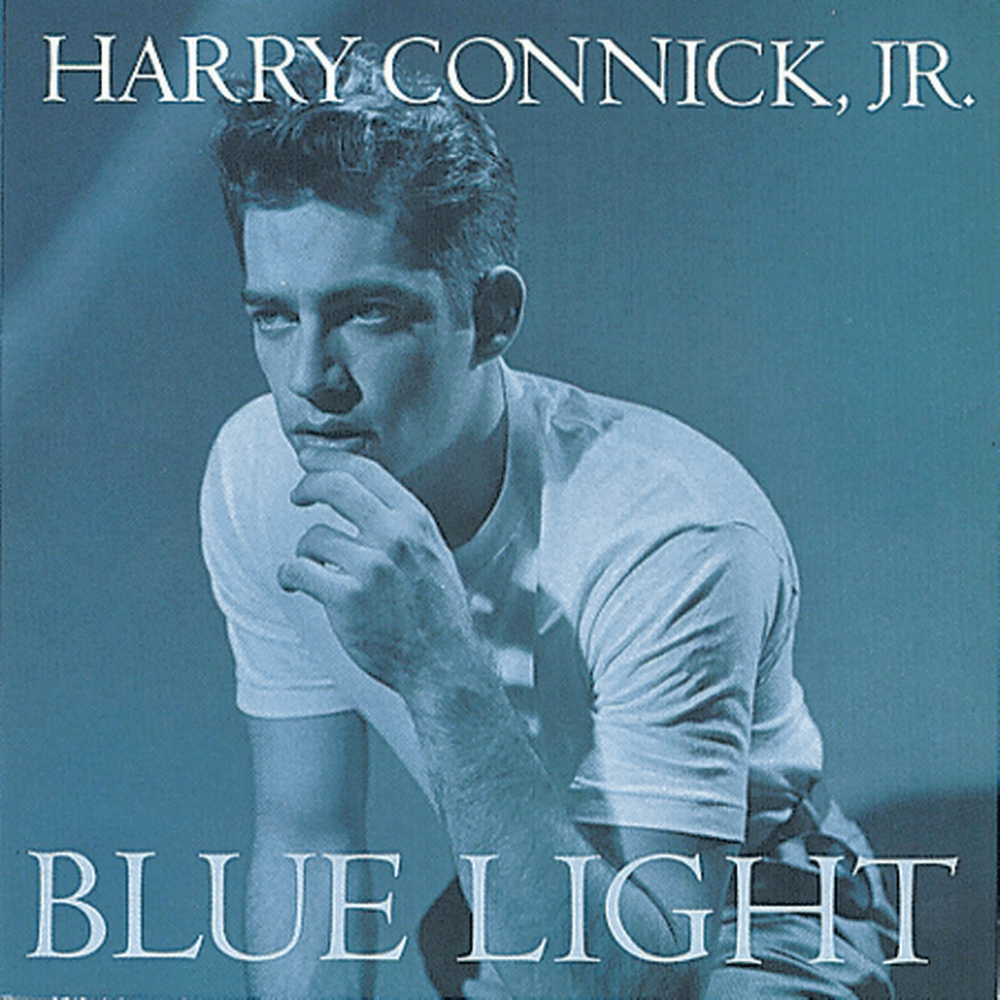
Harry Connick, Jr.'s "A Blessing and a Curse" isn't just a love song; it's a rumination on memory, value, and the poignant sting of enduring affection. The track establishes a dichotomy between the mundane and the monumental, where anniversaries and historical facts fade into insignificance against the sharp, indelible imprint of a specific person. Connick sings of forgetting dates and discoveries, yet the "you" remains a constant, suggesting that personal connections often dwarf broader cultural touchstones in our individual narratives. This selective recall hints at a subconscious prioritization, perhaps a defense mechanism against the overwhelming noise of the world, anchoring oneself to a single, vital emotional core.
The lyrics deepen this idea by juxtaposing grand historical events with personal experience. The reference to Columbus and Isabelle isn't about historical accuracy, but about predetermination and perspective. Isabelle already knew—a suggestion that intuition and personal knowledge outweigh exploration and discovery. The yearning to add "one more movement / In Beethoven's Fifth" acts as a powerful metaphor: a desire to enrich and elevate the beloved's existence, to leave an enduring impact as profound as a classical masterpiece. This isn't mere infatuation; it's a wish to fundamentally alter reality for someone else, which reveals a deep sense of empathy and perhaps even a touch of idealistic delusion.
However, the song’s title, "A Blessing and a Curse," implies a bittersweet quality. The lines, "Why, oh why, in a land of plenty / Some just have to make due? / At the end of a breadline with just a penny / I'll always remember you," introduce a social consciousness that complicates the romantic narrative. Remembering this person is not just a comfort, but a confrontation with inequality and suffering. It suggests that the memory is both a source of strength and a reminder of the world's harsh realities. Perhaps the 'curse' lies in the inability to reconcile personal affection with broader societal injustices, a haunting awareness that love exists alongside, and perhaps because of, profound inequalities. The enduring memory, therefore, becomes a lens through which to view the world’s beauty and its pain, inextricably linked.
 View Artist