Song Meaning
The lyrics present a stark contrast between the initial allure of leaving home and the harsh reality of being alone, framed by Mrs. Meers' manipulative guidance. Initially, the idea of roaming is painted with idyllic imagery: "The birds are singing." However, this pleasant facade quickly crumbles as Mrs. Meers warns that "Things won't be so lovely / When you're all alone." This sets up a central tension: the deceptive promise of freedom versus the inevitable loneliness and longing for home.
The emotional core of the piece emerges in the repeated calls for "母亲" (mother) and the yearning "我的心永远望家乡" (my heart forever looks toward home). The lyrics suggest a deep-seated homesickness that surfaces when the characters are truly isolated. The repetition of "照到,照到母亲" (shining on, shining on mother) and "照我,照我母亲" (shining on me, shining on mother) emphasizes this powerful, almost primal connection to maternal presence and the homeland.
The most striking element is the way Mrs. Meers hijacks this genuine longing for her own exploitative purposes. She uses the characters' homesickness as leverage, urging them to "Take her home!" while simultaneously planning to keep them enslaved: "They'll work for Mrs. Meers / The rest of their years!" This creates a chilling irony, turning a heartfelt plea for maternal comfort into a tool for their continued subjugation.
This lyrical structure is effective because it grounds the characters' plight in relatable human emotion – the desire for home and family – only to reveal a sinister manipulation. The shift from the tender "My Mammy" to Mrs. Meers' cold declaration of ownership highlights the characters' vulnerability and the predatory nature of their situation. The lyrics powerfully convey how even the deepest emotional needs can be exploited in the pursuit of control.
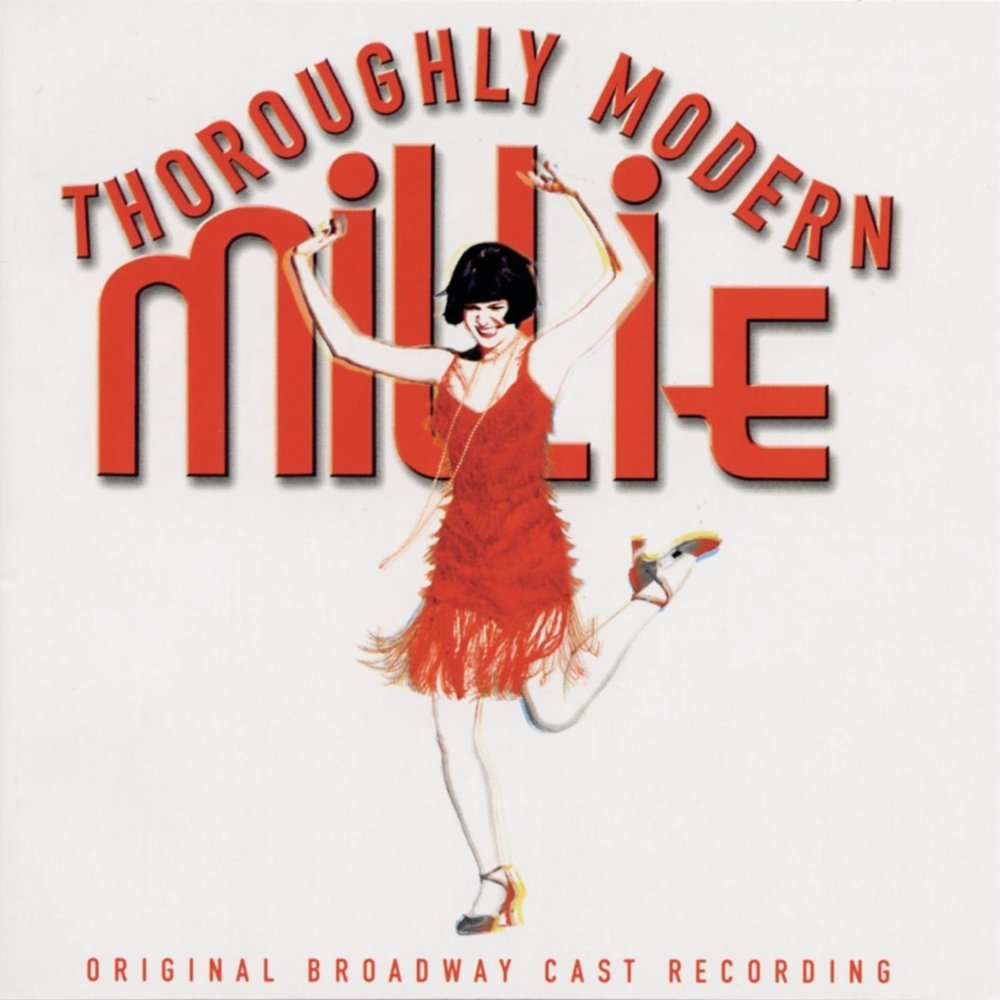
 View Artist