Song Meaning
This song throws open the doors on a scene of quiet desperation, urging listeners to ditch their solitary routines. It paints a picture of mundane domesticity – knitting, books, brooms – as a kind of self-imposed exile. The immediate invitation is to escape this stillness and embrace a vibrant, communal experience, signaled by the "blue notes" and the promise of music.
The central tension lies between the perceived futility of isolation and the irresistible allure of collective joy. The lyrics directly challenge the value of "sitting alone in your room," contrasting it with the active, sensory engagement offered by the "Cabaret." This isn't just about escaping boredom; it's about actively rejecting a passive, perhaps even melancholic, existence in favor of celebration and shared experience.
The repeated refrain, "Life is a cabaret, old chum," acts as a powerful thesis statement, reframing existence itself as a performance, a spectacle, and an opportunity for revelry. This isn't a somber pronouncement but an enthusiastic embrace of life's theatricality. The imagery of tasting wine, hearing the band, and blowing a horn all contribute to a sensory overload designed to pull the listener out of their quietude and into the heart of the celebration.
Ultimately, the effectiveness of these lyrics stems from their direct, almost forceful, optimism. They offer a clear, actionable alternative to personal gloom, personified by the "prophet of doom." By framing life as a "cabaret," the song suggests that embracing its vibrant, sometimes chaotic, energy is the most meaningful way to live, a stark contrast to the quiet, unfulfilled existence it initially describes.
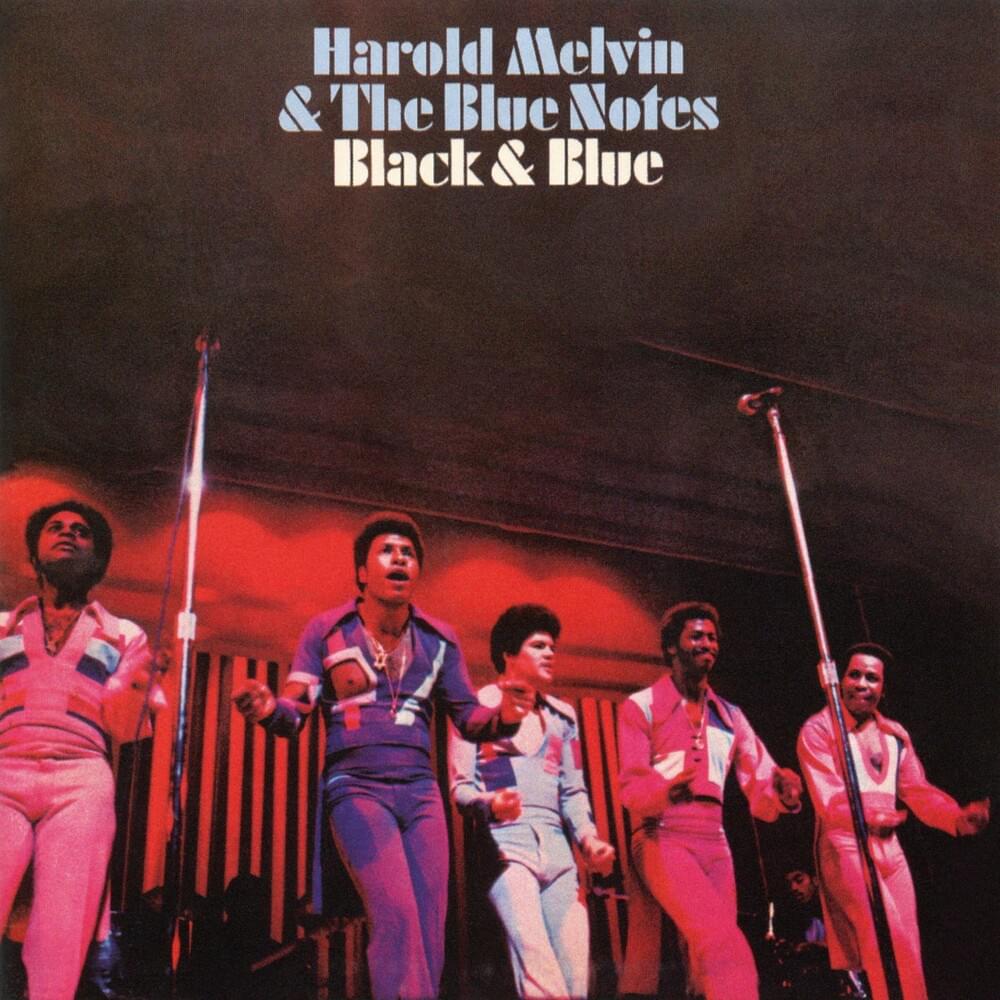
 View Artist