Song Meaning
The lyrics paint a stark portrait of a solitary figure, the "man of the cape," whose home sits alone on a black cape. He's described as being "alone, accompanied by his sorrow," and the narrator can't recall if he was young or old, only that he spoke to birds. This initial image establishes a profound sense of isolation and a disconnect from conventional human interaction. The narrator is then urged to approach him, to create a love for him to speak of, suggesting an external desire to mend his loneliness.
The central tension arises when the narrator reveals their own profound connection: "But my love is the sea." This isn't just a preference; it's a deep, singular friendship. The sea is where the narrator finds solace and confidantes for secrets and past mistakes, the very things that seem to have hidden this man from others. The choice presented is stark: human love or the vast, indifferent sea, a dilemma that underscores the narrator's own solitary nature and their potential inability to bridge the gap.
The most striking aspect is the insistent repetition of the question: "To choose love or the sea?" This refrain hammers home the impossible choice. The narrator admits, "Which of the two hurts me more, I didn't consider," highlighting a self-destructive or perhaps simply resigned approach to their own emotional landscape. The sea, while a source of comfort, also represents an unyielding, potentially isolating force, mirroring the man on the cape's own existence.
This lyrical construction is effective because it grounds an abstract emotional state in concrete, evocative imagery. The "black cape," the "house," and the "sea" become potent symbols of isolation and deep-seated connection. The simple, almost childlike language belies a complex emotional quandary, making the narrator's predicament feel both deeply personal and universally resonant in its exploration of chosen solitude versus the potential for human connection.
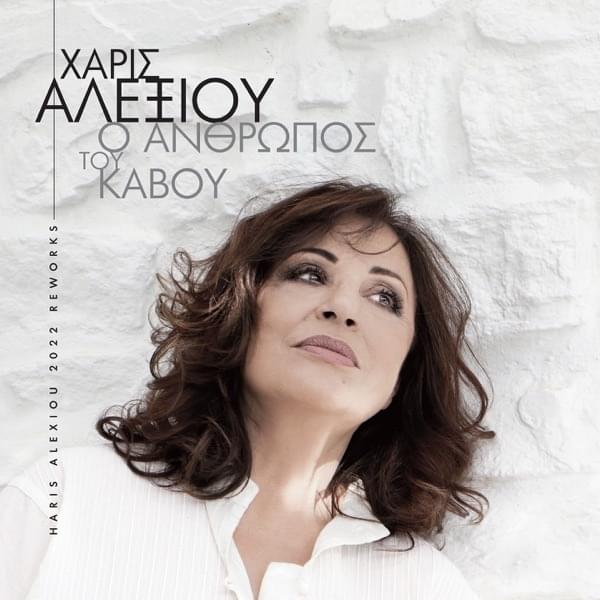
 View Artist