Song Meaning
The core message hits with stark finality: "Mía eínai i ousía / Den ypárchei athanasía" – there's only one essence, and immortality doesn't exist. This isn't a gentle reminder; it's a blunt assertion setting a somber, yet strangely defiant, tone. The repetition hammers this point home, making it the undeniable bedrock of the song's perspective.
The lyrics then pivot to a desperate, almost blasphemous plea. The narrator imagines God as a drunkard, wishing for this divine intoxication to be so potent that it allows for a violent confrontation with Death itself. This isn't about seeking solace or divine intervention in a traditional sense; it's a raw, visceral desire to fight back against the inevitable, even if it requires a drunken, chaotic deity to make it happen.
The most striking image is the contrast between the divine and the earthly, specifically Greece. "Ach kai tou paraíso̱u i koiláda / Den cho̱ráei ti̱n Elláda" – even the valley of paradise can't contain Greece. This elevates the homeland to a status beyond heavenly reward, suggesting that the struggles and beauty of earthly existence, particularly within Greece, hold a value that even paradise cannot surpass. It’s a powerful statement of earthly attachment in the face of mortality.
Ultimately, the effectiveness lies in this potent blend of fatalism and fierce, almost absurd, defiance. The lyrics confront the ultimate truth of death not with resignation, but with a wild, imaginative rage. The plea for a drunken God to fight Death on a divine battlefield, coupled with the fierce pride in Greece, creates an unforgettable emotional landscape that acknowledges our finite existence while fiercely clinging to the intensity of life.
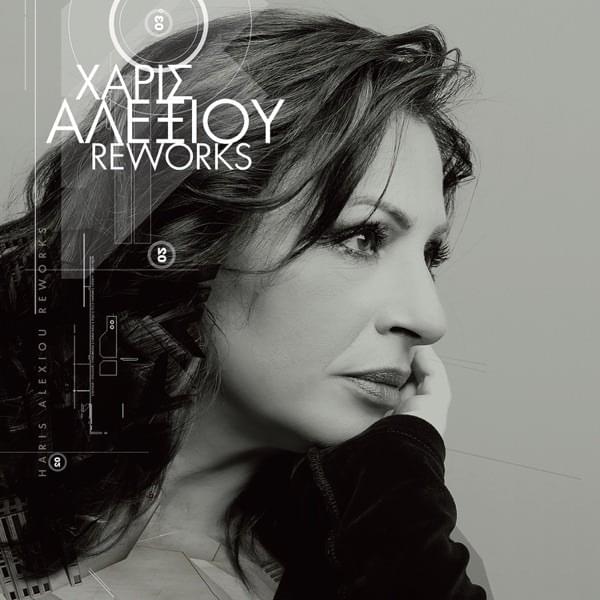
 View Artist