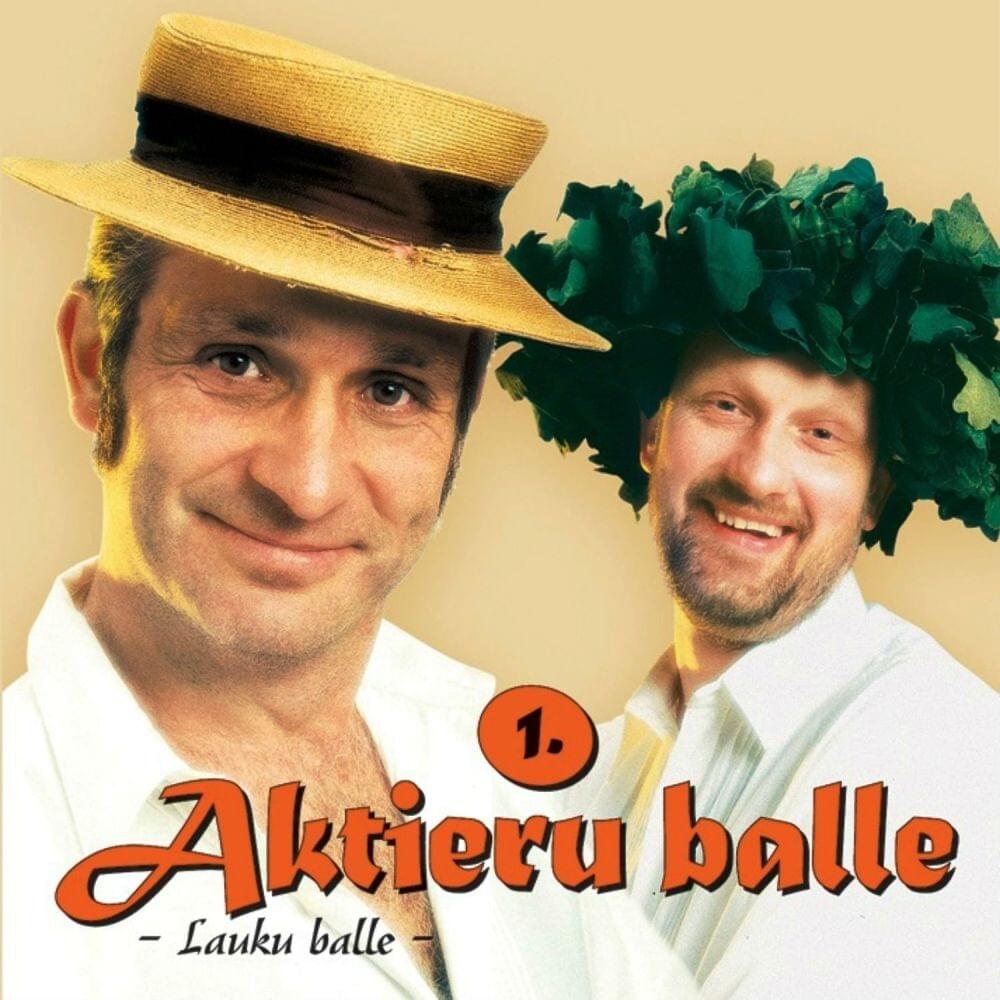
Song Meaning
The lyrics paint a poignant picture of nostalgia and the passage of time, centered around the Aiviekste river and its oaks. The opening lines establish a reflective mood as evening descends, with a "bonfire of memories" flickering, signaling a look back at youth. The narrator recalls a time of youthful exuberance, wading into blooming fields, wanting to "dance and whirl even more" as the Aiviekste oaks glow at dawn. This imagery captures a fleeting moment of pure, unburdened joy.
The central tension arises from the irreversible nature of time. The narrator "ties years like threads onto a ball," acknowledging there's "nothing to change, nor to call back." Yet, despite the inevitable autumn and frost, there's a persistent hope in the future, symbolized by the "linden trees and oaks growing for the future." This contrast between the past's irretrievability and the future's enduring growth is a core emotional driver.
A striking element is the cyclical return to the past, or at least the *feeling* of it. The narrator wades into the "blooming fields" again, closing their eyes, and it "seems" the oaks still "blaze at dawn," inviting youth to meet again. This isn't a literal return, but a powerful internal experience where memory and present perception blur, highlighting how deeply ingrained these youthful moments are. The extinguished bonfire and quiet song suggest the present is more subdued, tinged with a "little regret for past youth."
Ultimately, the lyrics resonate because they capture the bittersweet ache of looking back. The final stanza offers a gentle admonition, urging the listener to "work and sing" so that their life is "resounding," and they won't have "regret for youth." The enduring image of the Aiviekste oaks at dawn serves as a constant, a reminder of both the beauty of the past and the potential for a life lived fully in the present, ensuring future memories are cherished, not lamented.