Song Meaning
The lyrics paint a picture of life's inevitable changes and the acceptance of loss. The opening lines immediately establish a sense of surprise and a contrasting perspective: "Günün birinde olup da şaştığın bir şey görürsen / Sen hayır desen de ben evet derim." This suggests a fundamental difference in how the narrator and another person perceive or react to unexpected events. It hints at a resignation to fate, where even if one denies reality, the other affirms it.
The core tension lies in the acknowledgment of time's relentless march and its consequences. Phrases like "Geçen günler aklın başından alıp gittiyse / Elinde kalanlar hazinendir" and "Her geçen gün ömründen bir kayıpsa şayet" directly confront the idea that time passing equals loss. The imagery of "su akmaz tersine" (water doesn't flow backward) reinforces the irreversibility of time and the need to accept this natural order. The narrator seems to be urging a form of acceptance, even in the face of sorrow.
The most striking aspect is the juxtaposition of surprise and acceptance. The repetition of seeing something that causes astonishment, followed by the narrator's unwavering "evet" (yes), creates a powerful sense of fatalism. This isn't a passive surrender, however; the call to "Korkma devam et ve sadece sabret" (Don't be afraid, continue and just be patient) suggests that facing these inevitable losses requires courage and endurance. The "hazinendir" (it is sorrowful/poignant) outcome of lost days is presented not as an end, but as a state to be endured.
Ultimately, the effectiveness of these lyrics stems from their direct, almost stark, confrontation with mortality and the passage of time. By framing life's unexpected turns and losses as inevitable, and by urging patience and continued movement, the song offers a somber yet resolute perspective. The contrast between the shock of events and the narrator's calm affirmation creates a profound emotional resonance, speaking to the quiet strength found in accepting what cannot be changed.
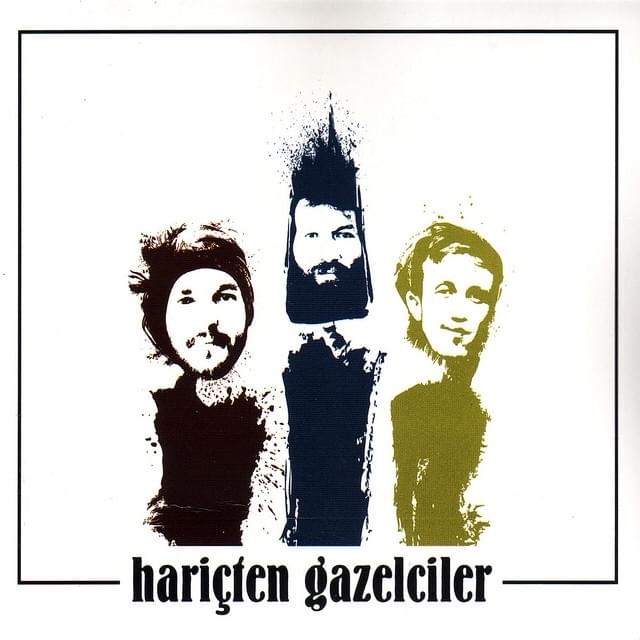
 View Artist