Song Meaning
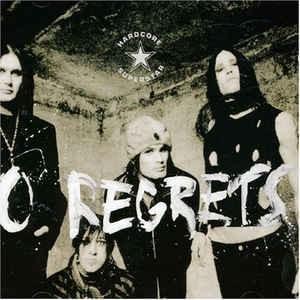
This track kicks off with a defiant declaration of independence. The narrator insists on a life lived on their own terms, rejecting external control and finding humor even in their own mistakes. The repeated phrase "I got no regrets" acts as a powerful mantra, underscoring a commitment to self-determination and authenticity, even when that path is difficult.
The core tension emerges from a stark contrast between the narrator's internal resolve and an external world that seems to demand conformity or entertainment. The line "I'd rather be abused then amuse you like a clown" is a visceral rejection of performing for others' approval. This sets up a conflict where maintaining personal truth is paramount, even if it leads to conflict or isolation.
The lyrics pivot dramatically with the admission, "I did have some regrets." This late-stage confession injects a crucial layer of complexity, suggesting the initial "no regrets" stance might be a defense mechanism or an aspirational state rather than a lived reality. The question "What heppand to youe smile" hints at a lost connection, possibly tied to this struggle for authenticity, and the narrator's own shift from "glad" to "screaming mad" reflects the emotional toll.
Ultimately, the song's power lies in this raw, unflinching portrayal of self-preservation and the messy, often contradictory nature of living authentically. The final lines, "appreciate the dance to live in truth / All I got to do is maintain truth the groove," circle back to the initial defiance, but now tinged with the acknowledgment of past struggles and the ongoing effort required to stay true to oneself.
 View Artist