Song Meaning
The lyrics paint a vivid picture of desperate longing, a plea to be let into a place that seems both inviting and inaccessible. The narrator calls out to the entire city, a powerful image of isolation within a crowd, begging for entry with an almost fatal urgency: "Wpuść mnie, bo skonam." This isn't just a casual request; it's a matter of survival.
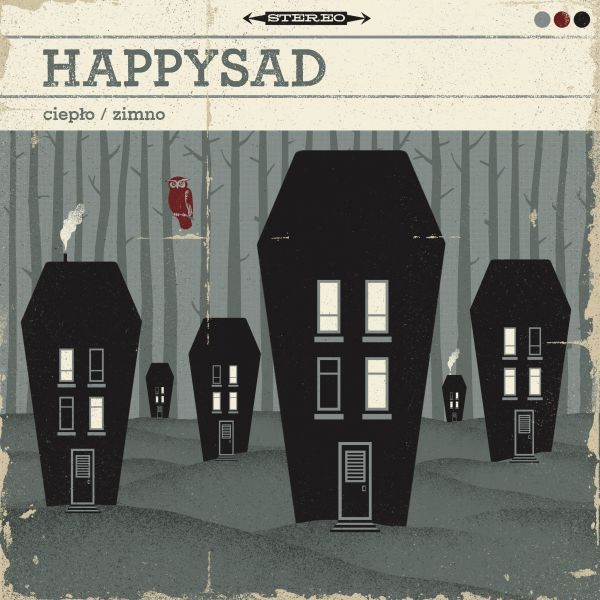
The scene is set with a "samotny domek na wzgórzu" (lonely house on a hill), described with alluring details like "przycięte trawniki" (trimmed lawns) and "róży kwiat" (rose flower). It's a place that "kuszą" (tempts), a place many would desire. Yet, the path to it is a "cieniutka ścieżka" (thin path), and the narrator struggles to even reach the doorbell, repeating "Nie bardzo mogę, nie bardzo się da" (I really can't, it's not really possible). This creates a central tension between the allure of the destination and the narrator's profound inability to reach it.
The most striking craft element is the contrast between the external beauty and the internal struggle. The house gleams in daylight, the grounds are manicured, but the narrator is stuck outside, unable to access the warmth hinted at by a "lico światło się tli" (faint light flickers) upstairs. The narrator adopts a passive, almost animalistic posture, like a cat waiting by "uchylonych okien czy drzwi" (open windows or doors), highlighting a vulnerability and a desperate hope for an opening that may never come.
This lyrical construction is effective because it taps into a universal feeling of being on the outside looking in, of yearning for connection or belonging while facing seemingly insurmountable obstacles. The simple, repetitive plea combined with the detailed, yet distant, imagery of the house makes the narrator's plight feel immediate and deeply felt, transforming a simple request into an existential cry.
 View Artist