Song Meaning
The lyrics paint a stark, almost monochromatic picture of pervasive coldness, both external and internal. The repeated imagery of "zimny kraj" (cold country), "zimny lód" (cold ice), and even "zimno w kącikach ust" (cold in the corners of the mouth) establishes an overwhelming sense of chill. This isn't just a physical sensation; it feels like a fundamental state of being, amplified by the escalating "zimno" (cold) and "zimniej" (colder) until "mróz" (frost) arrives.
The central tension arises from the narrator's self-awareness of this pervasive coldness, expressed through physical manifestations like "zimne dreszcze" (cold shivers), "zimny głos" (cold voice), and "zimne ręce" (cold hands). The word "Niepotrzebnie" (unnecessarily) is the crucial counterpoint, suggesting this intense coldness, these shivers, this voice, these hands, are all excessive and perhaps even self-inflicted or at least uncalled for. It implies a conscious recognition that the depth of the chill isn't justified by the external environment alone.
The most striking craft element is the relentless repetition of "zimno" and its variations, creating a hypnotic, suffocating atmosphere. This is then juxtaposed with the brief, almost ironic mentions of summer elements: "letni wiatr" (summer wind), "letni deszcz" (summer rain), "letnia latte" (summer latte), and "letnie lato" (summer summer). These fleeting glimpses of warmth are presented as exceptions, almost as jokes ("jak dla hecy" - just for a laugh), highlighting how far removed the narrator feels from any genuine warmth, even when it's theoretically present.
This lyrical construction is effective because it externalizes an internal emotional state through vivid, sensory details. The overwhelming focus on cold makes the single, repeated "Niepotrzebnie" land with significant weight, transforming the description from a simple statement of discomfort into a poignant admission of self-imposed or disproportionate suffering. The final, isolated "Zimno" after the narrator "Trzymałem się za serce" (held my heart) leaves a lingering sense of unresolved, deep-seated coldness.
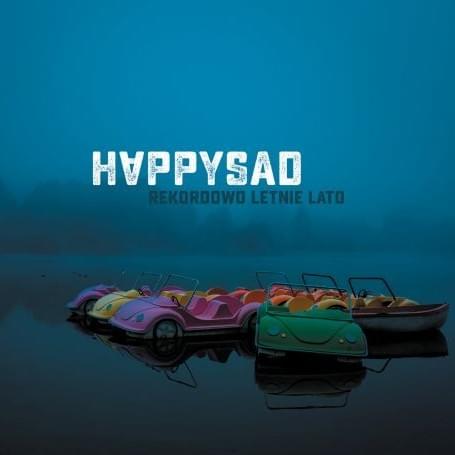
 View Artist