Song Meaning
The lyrics paint a vivid picture of a speaker finding solace and a sense of home in a beloved person, referred to with a series of affectionate and sometimes contradictory pet names. The repeated "Tule, tule tyttöni" (Come, come my girl) acts as an insistent plea, drawing the listener into the speaker's yearning. The initial descriptions like "elämäni luu, elämäni valtti" (bone of my life, trump card of my life) and "matkamiehen tie, matkamiehen maali" (traveler's road, traveler's goal) establish the beloved as central to the speaker's existence and journey. This sets up a powerful contrast with later, more chaotic descriptors like "Vapiseva vaimoni" (trembling wife) and "Murisema muijani" (growling woman), suggesting a complex, perhaps even wild, nature that the speaker embraces.
The central tension lies in the speaker's desire to tame or integrate a wild, internal chaos through the presence of this person. The act of "kesytän yössä huutavan / Hullun kapisen kulkukoiran" (taming the howling / mad, rebellious stray dog in the night) is a potent metaphor for confronting and subduing inner turmoil. The speaker explicitly states, "Vuokses sun, kiinni elämän runkoon / Takerrun haluin hukkuvan" (For you, I cling to the trunk of life / I cling with the desires of a drowning person), highlighting how this relationship is a lifeline, a desperate anchor against overwhelming feelings. The phrase "Tanssin yli sen luisen puutarhan" (I dance over that bony garden) further emphasizes a defiant joy found even amidst themes of mortality or desolation.
The most striking craft element is the juxtaposition of the speaker's perceived wildness with the beloved's role as a sanctuary. The recurring declaration, "Luonasi on linnani" (By your side is my castle), transforms the beloved into a fortified space, a safe haven. This is reinforced by the bridge's imagery of the beloved arriving like "ukkonen" (thunder) and "järven yli vyöryen" (rolling over the lake), suggesting a powerful, almost elemental force that paradoxically brings peace. The speaker's submission, coming "kuin uskoon" (like conversion), underscores the profound, almost spiritual impact of this person, who is both the "syy" (cause) and the "seuraus" (consequence) of the speaker's world.
These lyrics resonate because they articulate a deep human need for belonging and stability amidst internal struggle. The speaker doesn't just find comfort; they find a literal fortress in their beloved, a place where even the most chaotic parts of themselves can be tamed or danced over. The language shifts from tender endearments to acknowledging a wildness, then to the ultimate declaration of safety, creating a rich emotional arc. The repeated assertion that the beloved is their castle provides a powerful, grounding conclusion to a journey through internal landscapes.
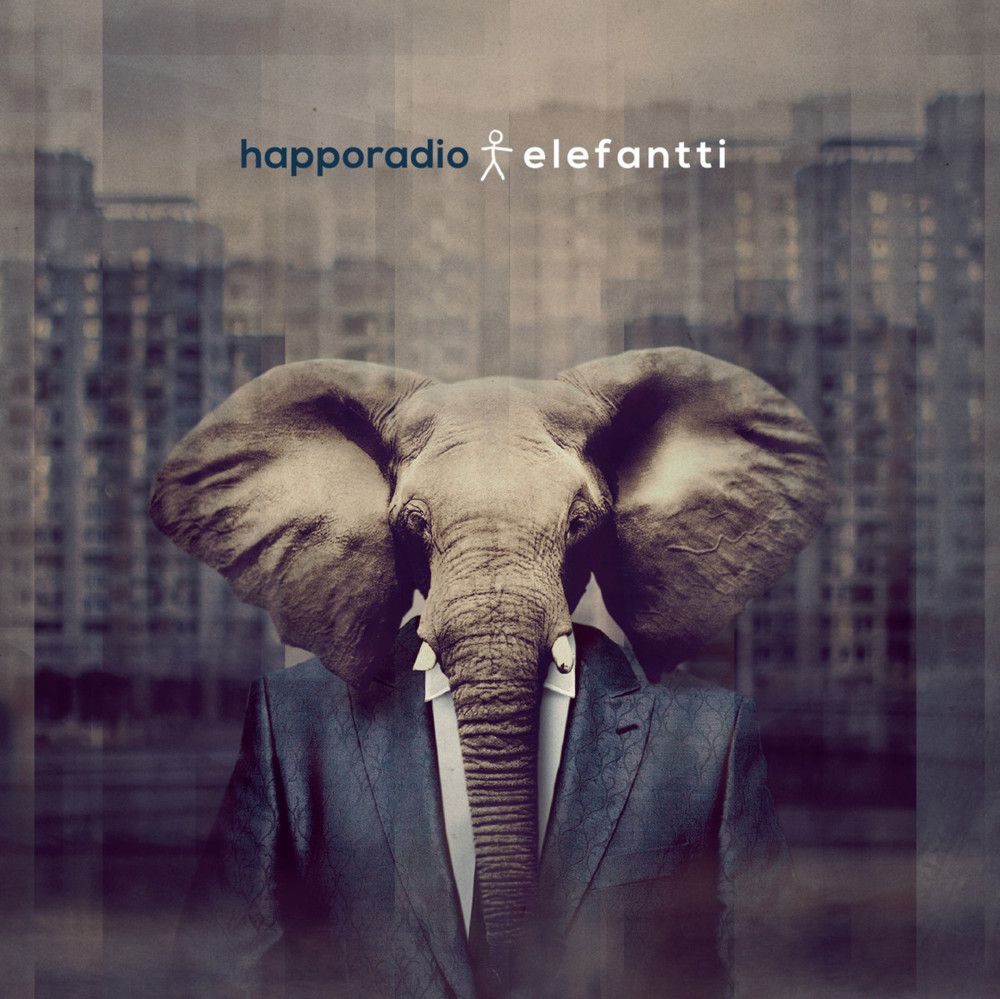
 View Artist