Song Meaning
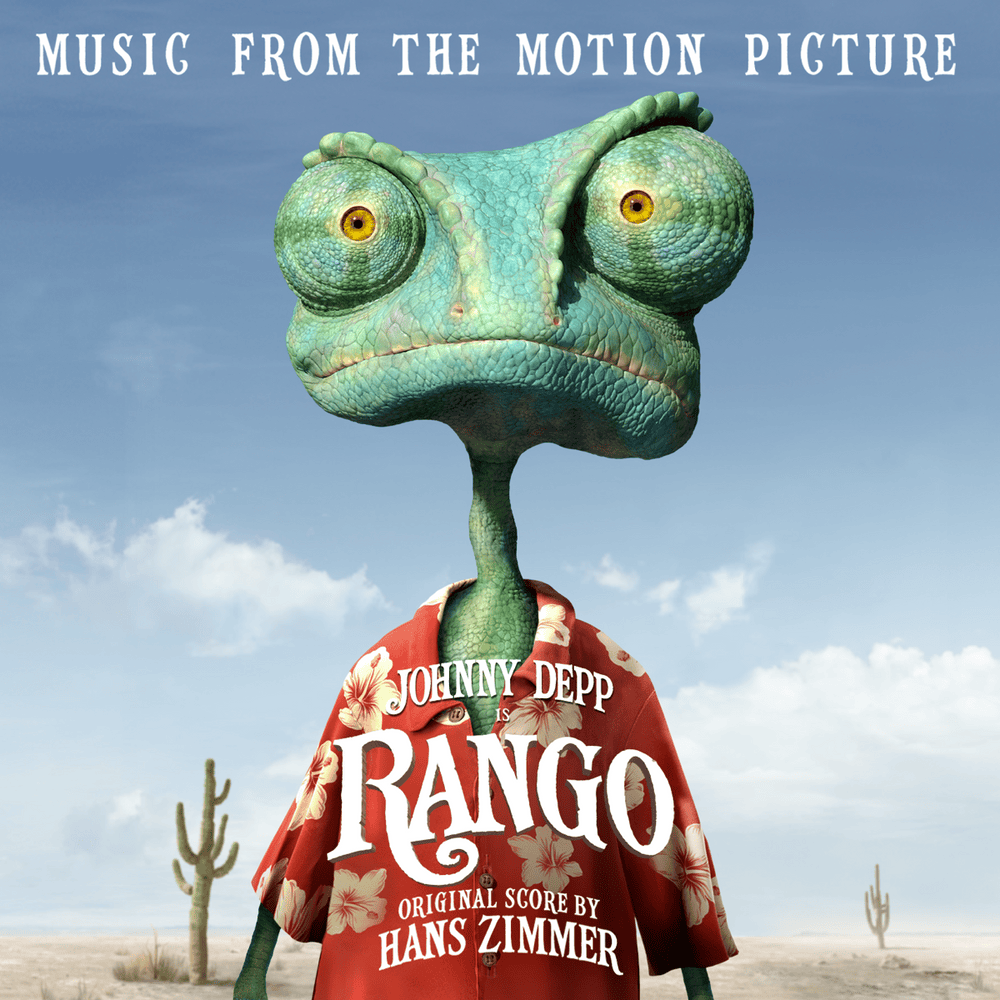
Hans Zimmer's "Stuck in Guacamole" is less a song and more a sonic vignette, a brief but potent distillation of existential dread wrapped in the bizarre imagery of—well, guacamole. The spoken-word lyrics, attributed to the animated film *Rango*, offer a stark meditation on identity and the precariousness of fabricated personas. The opening lines, celebrating the protagonist, immediately bleed into a darker observation: the "stranger" is not reveling in genuine connection but rather "sinking deeper into the guacamole of his own deception." This isn't just about telling a lie; it's about the suffocating consequences of maintaining a false self, a self built on pretense that ultimately becomes inescapable. The guacamole, in this context, serves as a thick, inescapable metaphor for the quicksand of deceit.
The repeated question, "When is he going to die?" is the crux of the emotional weight. It's not necessarily a literal inquiry about physical death, but rather a pondering about the inevitable demise of the false self. The lyrics imply an understanding that the character cannot sustain the charade indefinitely. The question hangs heavy, suggesting both anticipation and a morbid curiosity about the breaking point. The final line, "Soon compadre, soon," delivers a chilling sense of imminence. There's a resignation, perhaps even a grim satisfaction, in the recognition that the fabricated identity is unsustainable.
Ultimately, the song meaning explores the themes of authenticity and the psychological burden of maintaining a false identity. The guacamole, though absurd on the surface, represents the sticky, messy consequences of deception. Zimmer's piece uses the film's narrative to tap into a universal anxiety: the fear of being exposed, the struggle to maintain a facade, and the eventual collapse of the constructed self. The stark simplicity of the lyrics, combined with the ominous tone, leaves the listener contemplating the fragility of identity and the potential for self-destruction inherent in living a lie.
 View Artist