Song Meaning
Hans Zimmer's "160 BPM" isn't a song in the traditional sense; it's a sonic experience, a visceral representation of intense energy. Stripped of conventional structure, the track relies on layered vocals and driving rhythms to create a sensation of relentless forward motion. The lyrics, though largely unintelligible to the casual listener, appear to be a constructed language, perhaps drawing on Latinate roots or invented phonetics. This deliberate obfuscation shifts the focus away from literal meaning and towards the pure, unfiltered emotional impact of the sound. "Sufa be dera veritatis" repeats like a mantra, suggesting a search for truth within this chaotic soundscape.
The track's power lies in its ability to evoke primal emotions. The repetition of phrases like "Ati du faletto asurimu di parisio" and "Telamore devasto felatto ursa mero," regardless of their literal translation, taps into a deeper, more instinctive level of understanding. The driving tempo, referenced in the title, amplifies the feeling of urgency and relentless pursuit. Zimmer masterfully uses sound to bypass the conscious mind, plunging the listener into a state of heightened awareness and anticipation. One interpretation of the "160 BPM" song meaning is an exploration of the human psyche under extreme pressure.
Ultimately, "160 BPM" transcends the limitations of language. It's a purely experiential piece, designed to provoke a physical and emotional response. The ambiguity of the lyrics becomes a strength, allowing listeners to project their own interpretations and anxieties onto the music. This track showcases Zimmer's genius for crafting sonic landscapes that are both intensely personal and universally resonant. The song’s meaning, therefore, isn't found in deciphering the words, but in feeling the pulse of the music and confronting the raw energy it unleashes.
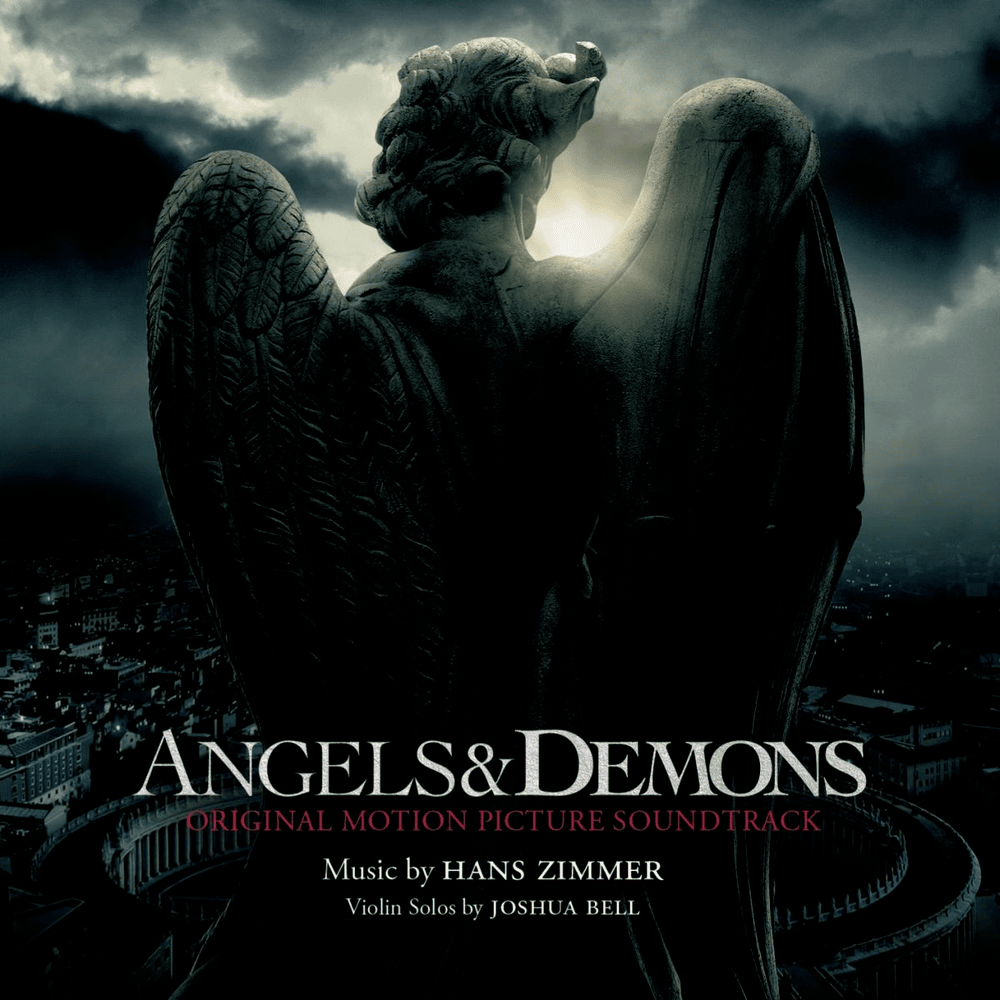
 View Artist