Melanholiskais valsis
Song Meaning
The title itself, "Melanholiskais valsis," immediately sets a somber, almost mournful tone, translating to "Melancholy Waltz." The absence of lyrics here is a deliberate artistic choice, forcing the listener to engage with the music itself as the primary storyteller. Without words, the piece invites a deeply personal interpretation, allowing the instrumental melodies and harmonies to paint abstract emotional landscapes. This instrumental focus shifts the burden of narrative entirely onto the sonic textures and rhythmic patterns. The waltz form, traditionally associated with elegance and social gathering, is here imbued with a profound sense of sadness. It suggests a dance of introspection, perhaps a solitary reflection rather than a shared experience. The music becomes a vessel for unspoken feelings, a space where complex emotions can unfold without the need for explicit articulation. The effectiveness of such a piece lies in its ability to bypass intellectual analysis and speak directly to the listener's emotional core. The absence of lyrics demands a different kind of listening, one that is more attuned to the nuances of melody, tempo, and dynamics. It’s in these sonic details—a lingering minor chord, a hesitant tempo, a swelling crescendo followed by a quiet diminuendo—that the 'melancholy' of the waltz is truly conveyed. The piece trusts the listener to find their own meaning within its carefully constructed soundscape, making the experience uniquely intimate.
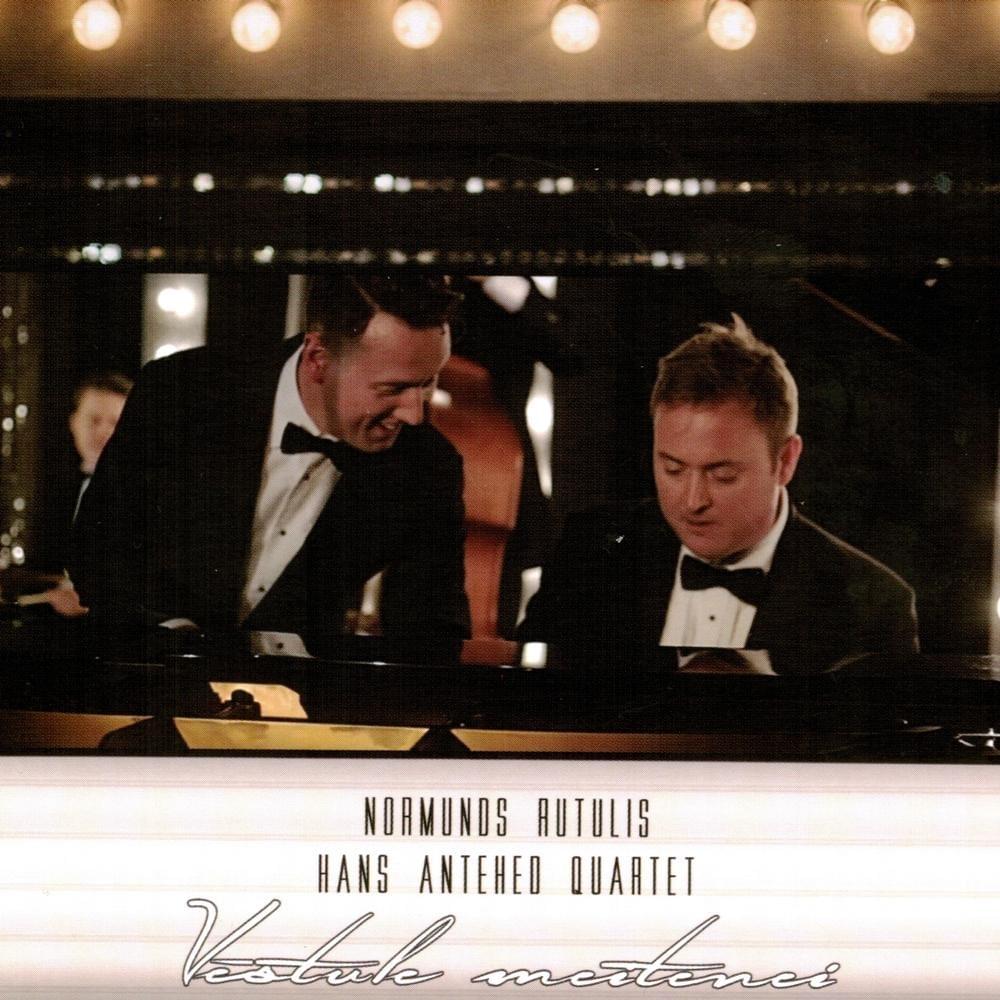
 View Artist
Lyrics
[Instrumental]
Rate this song
0/5.0 - 0 Ratings
Loading comments...
Credits
- Writers
- Emīls Dārziņš