Song Meaning
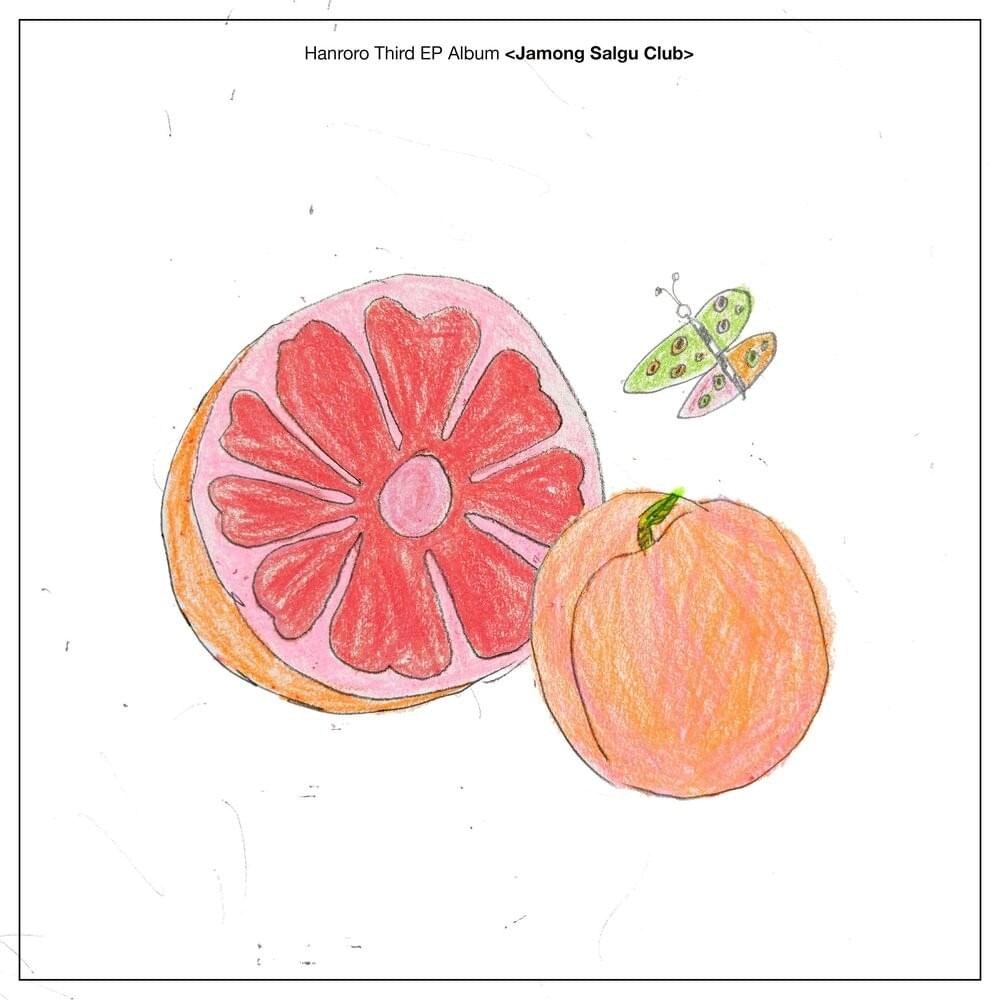
These lyrics sketch a world of intimate connection and playful defiance, where the speaker and another seek a "blind spot in black eyes" and a "paradise where we won't be scolded." It's a place of shared secrets, where even defying seasonal norms with "summer cocoa, winter watermelon" feels like an act of freedom. Yet, this immediate closeness is tinged with a profound, almost fated, understanding.
The central emotional tension hinges on a heartbreaking paradox: the speaker's fierce, repeated declaration, "I won't abandon you," stands directly against the poignant admission that "The 'us' beyond that / Can never become 'us'." This isn't a threat of abandonment, but a recognition of an inherent, insurmountable barrier, creating a bittersweet longing for a future that is simultaneously desired and denied.
The craft here is subtle but powerful, blending childlike imagery with existential weight. The innocent desire for a "paradise where we won't be scolded" contrasts sharply with the philosophical query, "Do you know the difference / between eternal life and eternal sleep?" This juxtaposition suggests a yearning for pure, unburdened existence, yet one that grapples with profound, perhaps fated, limitations on their shared reality.
What makes these lyrics so effective is their raw honesty about love's boundaries. They capture the quiet strength of holding onto a connection even when its full realization is impossible, creating a powerful sense of resilient hope amidst an acknowledged sorrow. The repeated, vulnerable question, "You think the same, right?" adds a deeply human plea for mutual affirmation, grounding the grand declarations in a relatable need for shared understanding.
 View Artist