Song Meaning
Hannah Peel's "Invisible City" isn't just a song; it's an architectural blueprint of the self after heartbreak. The lyrics speak of constructing a personal metropolis as a defense mechanism. The opening lines, "I drew a map / One I could follow / Marking out the paths of the swallows," suggest a deliberate act of creation, charting a new course dictated by natural rhythms, a stark contrast to the emotional chaos left behind. This isn't merely escapism; it's a project of self-preservation, building "a tower high glistening brightly / So I could see the world around me." The tower represents a vantage point gained through emotional distance, a way to survey the landscape of loss without being consumed by it. The repeated line, "A view that I had made to cover the pain," is a brutally honest admission of the artifice involved.
The chorus, "I built this city around my body / These walls they hold me like you once did," reveals the core of the song's meaning. The body becomes the foundation, the self-contained unit around which this protective structure is erected. The "walls" are not just physical or emotional barriers, but also echoes of a past relationship, a haunting reminder of the intimacy and security that has been lost. The repetition of "Like you once did" underscores the paradoxical nature of this self-imposed isolation; the city is built to forget, yet it constantly evokes the memory of what it seeks to bury.
Peel's "Invisible City" ultimately explores the complex relationship between memory, self-construction, and the enduring power of human connection. Even within the meticulously crafted walls of this internal city, the specter of the past remains. The lines, "When I wake I know you will find me / Even though this memory's behind me," hint at an inescapable truth: that the act of building walls doesn't erase the past, but rather transforms it into an ever-present architectural feature of the self. The city, therefore, becomes a testament to both resilience and the lingering ache of what was.
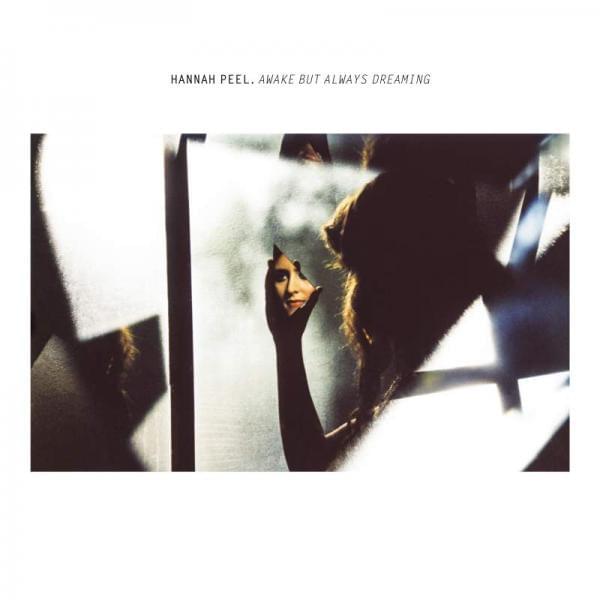
 View Artist