Song Meaning
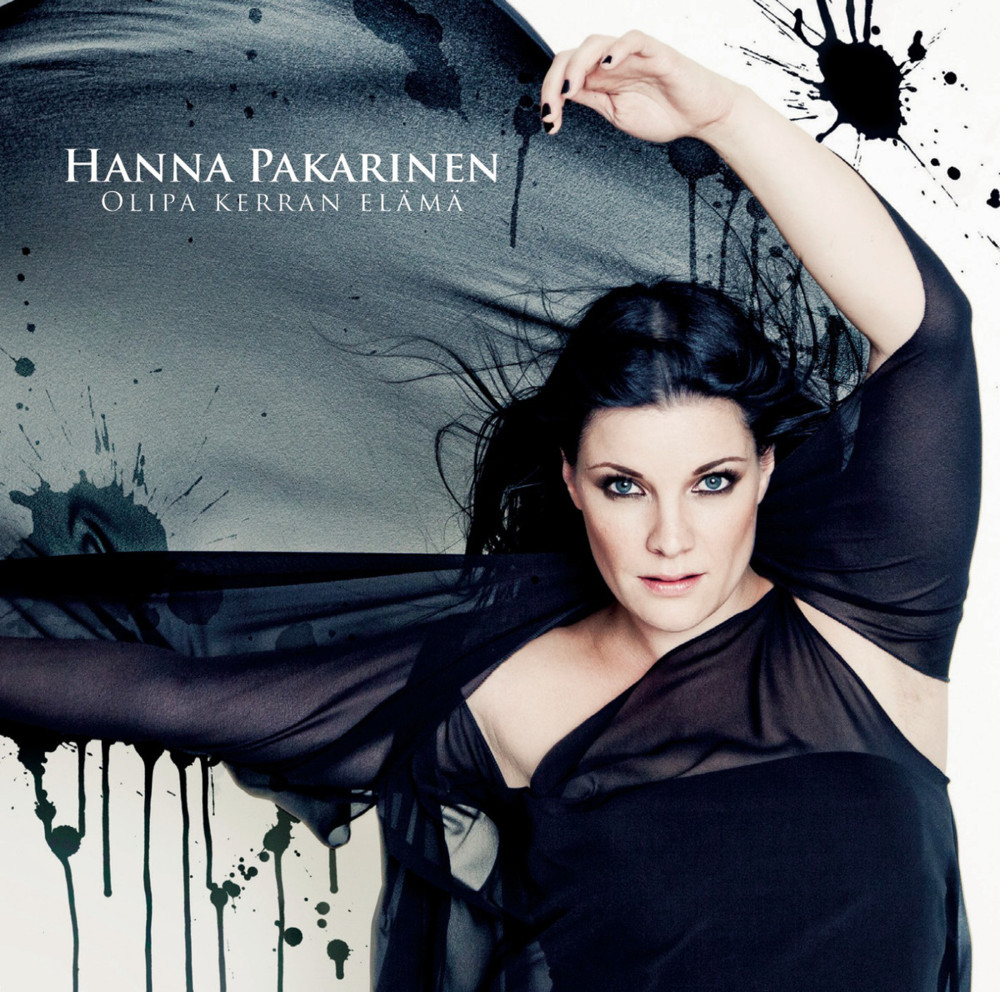
Hanna Pakarinen's "Olipa kerran elämä" (Once Upon a Life) isn't a fairy tale; it’s a stark meditation on loss, memory, and the search for meaning in a world tinged with sorrow. The opening lines paint a picture of a woman, weighed down by years, mechanically beating rugs—a metaphor for the repetitive, often thankless tasks of life. The singer observes this scene, not with detachment, but with a yearning for empathy, goodwill, and forgiveness – qualities noticeably absent from the present moment. This sets the stage for a deeper exploration of absence and longing. The lyrics suggest the journey isn't just personal; it's generational. Children sleep peacefully in the back, oblivious to the "hämärä hatara" (vague haze) ahead, while the driver clutches the wheel, pleading for the same empathy and forgiveness. The phrase "Ja mitä kävikin" (And what happened) implies a turning point, a disruption, perhaps a loss that shattered the expected trajectory.
The chorus, "Olipa kerran elämä ja se meihin valettiin / Olipa kerran elämä ja me siihen luotettiin" (Once upon a life and it was cast upon us / Once upon a life and we trusted in it), is laced with both acceptance and a hint of betrayal. Life, once a promise, has become a source of profound longing. The singer explicitly expresses missing someone and the future they envisioned together. This ache of what could have been permeates the song. The image of a child at a graveside, pondering aloud to lilies about a secret door to heaven, speaks to the innocent's struggle to comprehend mortality. Even in this scene of grief, the desire for compassion remains central, symbolized by holding hands nearby.
The final verses offer a glimpse of hope, albeit tinged with ambiguity. "Tuolla jumalan selän takana" (There behind God's back) suggests a hidden realm, a place beyond conventional understanding. Here, "Pojat tytöt varjoissaan" (Boys and girls in their shadows) sit and play guitar without fear. This image implies that even in the face of life's hardships, there is still space for creativity, resilience, and a refusal to be intimidated by the unknown. While the "song meaning" centers on themes of loss and longing, Pakarinen’s lyrics ultimately suggest that the search for empathy and the courage to face life, even in its darkest moments, are what truly define the human experience. The repetition of "Olipa kerran elämä..." throughout the song reinforces the cyclical nature of life, death, and remembrance.
 View Artist