Song Meaning
These lyrics paint a picture of a speaker on the cusp of returning home, eagerly anticipating a reunion after a significant absence. There's a palpable sense of relief and longing, centered on the simple, profound desire to see a particular person again. The dominant emotional texture is one of weary hope, a quiet yearning for comfort after a period of struggle.
The central emotional tension arises from the contrast between the speaker's recent past and their hopeful present. Phrases like "lonely nights and bottles for friends" starkly illustrate a period of isolation and perhaps self-medication, making the impending return a crucial turning point. The difficulty of maintaining connection, noted in "hard to love over a phone," further emphasizes the emotional weight of the distance and the profound need for physical presence.
What truly makes these lyrics hit hard is the speaker's understated self-awareness. They admit, "I don't always get standing ovations / I don't always knock the ball over the fence," acknowledging imperfections without dwelling on them. This humble admission grounds the speaker's vulnerability, making their desire for connection feel authentic and less like an idealized fantasy. It's a recognition that life isn't always perfect, but the simple act of seeing someone again can make all the difference.
The final verse delivers a powerful emotional twist, revealing, "I used to hate to go home." This confession transforms the entire narrative. The return isn't just a reunion; it's a testament to personal change and a newfound appreciation for a place and person that once held negative associations. It suggests that the speaker has grown, and their current longing for home is not just about escaping loneliness, but about embracing a changed, more positive reality.
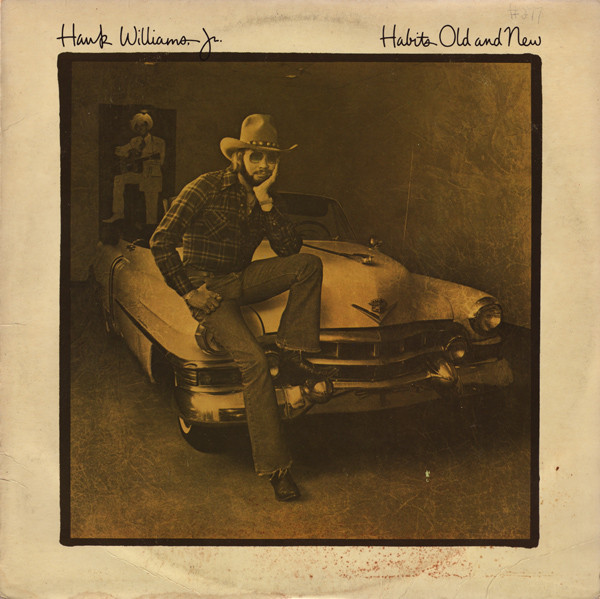
 View Artist