Song Meaning
The narrator kicks off with a clear departure, leaving a rural life for the allure of stepping out. This initial move sets the stage for a descent into the titular "honky tonk blues," a feeling that quickly becomes the song's central, repeated refrain. The immediate shift from rural roots to the overwhelming feeling of the blues suggests the city life, or perhaps the honky tonk experience itself, is already proving to be more than anticipated.
This isn't just a night out gone wrong; it's a full-blown disillusionment with the urban scene. The narrator recounts wearing out shoes at a dance and waking up wishing to lose the feeling, only to find that hitting every place in town only deepens the despair. The contrast between the initial excitement of "stepping out" and the current state of being "got me down" highlights a sharp, unfulfilled expectation.
The craft here is in the stark simplicity and repetition. The phrase "honky tonk blues" acts as both a descriptor and a state of being, hammered home with each chorus. The lyrics paint a picture of a frantic, ultimately fruitless search for something – perhaps fun, perhaps escape – that only leads to exhaustion and a desire to return home. The image of tucking worries "underneath my arm" is a folksy, almost naive attempt to shed burdens that clearly haven't been shed at all.
Ultimately, the effectiveness lies in its directness. The narrator's journey from rural escape to urban regret is painted with broad, relatable strokes. The desire to return to "pappy's farm" and face parental discipline signals a longing for the simpler, perhaps more structured, life left behind. The blues here aren't just about sadness; they're about the harsh lesson learned when the bright lights of the city lead not to freedom, but to a profound sense of being lost.
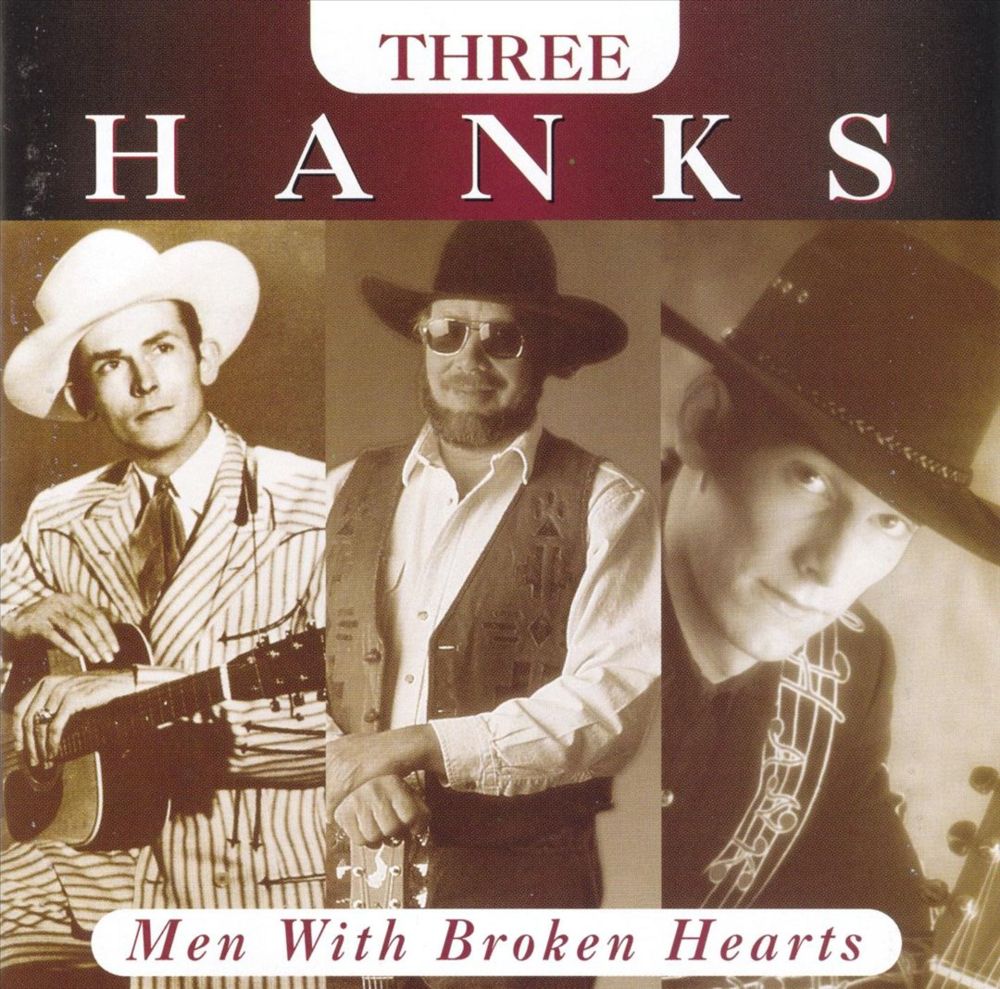
 View Artist