Song Meaning
The singing hills are more than just a backdrop; they're a living archive of a past love. The lyrics paint a scene where nature itself harmonizes with memory, specifically recalling a pivotal night. The repetition of "The singing hills are singing tonight" and "The singing hills were singing that night" immediately anchors us to this specific, cherished moment. It’s a place where a declaration of love once resonated, amplified by the wind in the valley.
This idyllic past is starkly contrasted with the present sorrow. The wind, once a participant in a "sweet refrain," now "each night we cry." This personification of the wind as a fellow mourner highlights the depth of the narrator's loneliness and the enduring pain of absence. The plea "Come back again" is met with the melancholic reality that the loved one is "gone," yet the emotional echo persists.
The core of the song's power lies in its persistent imagery of the "singing hills." They are not just a location but a constant, almost supernatural, reminder of what was lost. The phrase "my song lingers on" suggests that the narrator's love and grief are inextricably tied to this place, echoing indefinitely. The final line, "My heart's among the singing hills," solidifies this connection, indicating a permanent emotional residency in the landscape of memory.
Ultimately, the lyrics achieve their poignancy through this fusion of natural imagery and profound personal loss. The singing hills become a metaphor for memory itself – beautiful, resonant, and inescapable. The narrator's inability to move on is mirrored by the hills' perpetual song, creating a powerful sense of enduring love and sorrow that is both specific to the narrator and universally understood.
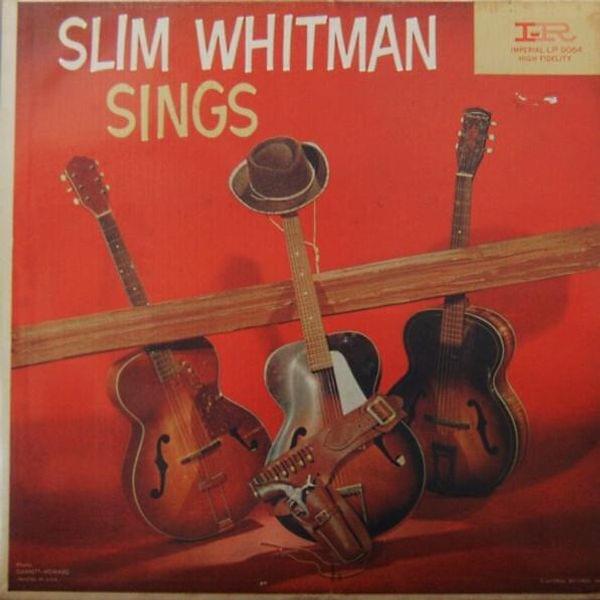
 View Artist