Song Meaning
The lyrics paint a portrait of intense, almost desperate devotion to a figure named Johnny Guitar. The narrator's plea, "Play the guitar, play it again, my Johnny," immediately establishes a scene of performance and a deep emotional connection to this act. There's a palpable sense of adoration, with the narrator declaring, "I was always a fool for my Johnny," highlighting a long-standing, perhaps irrational, love.
The central tension lies in the narrator's acceptance of Johnny's contradictory nature. They acknowledge his potential for cruelty but simultaneously recognize his kindness, stating, "But if you're cruel, you can be kind, I know." This duality is key to the narrator's unwavering affection, suggesting that Johnny's complexity is precisely what makes him so captivating and unique in their eyes. The repeated assertion, "There was never a man like my Johnny," underscores this singular fascination.
The most striking aspect of the writing is the juxtaposition of Johnny's perceived coldness with his inner warmth, "Maybe you're cold but you're so warm inside." This contrast creates a compelling image of a man who might appear distant or unfeeling on the surface but possesses a hidden depth of emotion. It’s this enigmatic quality, amplified by his musical talent, that seems to bind the narrator so completely to him, making him an irreplaceable figure.
Ultimately, the effectiveness of these lyrics stems from their raw, unvarnished expression of unconditional love and fascination. The narrator’s unwavering focus on Johnny, despite his potential flaws, creates a powerful emotional resonance. The simple, repetitive structure and direct address draw the listener into this intense, singular devotion, making Johnny Guitar feel like an almost mythical figure defined by his music and his compelling, contradictory spirit.
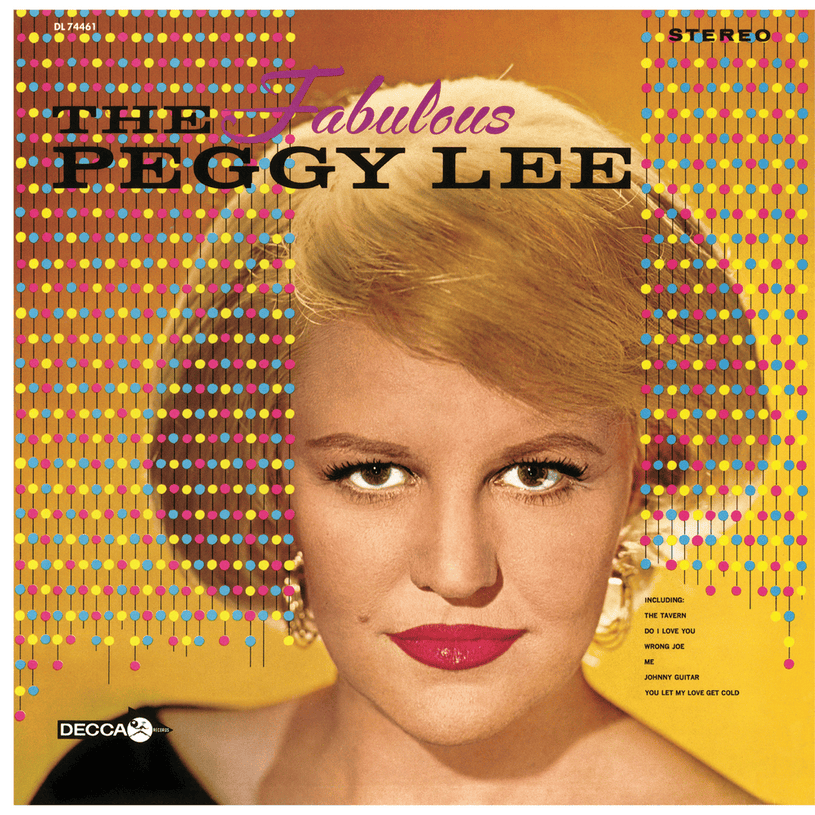
 View Artist