Song Meaning
The narrator grapples with a persistent, overwhelming sense of desolation that threatens to ruin their emotions. This feeling is described as a curse, actively working to ensure damage and loneliness, yet the narrator insists it's "not enough." This sets up a core tension between an external force of despair and an internal, defiant will.
The lyrics reveal a powerful internal conflict. The narrator acknowledges the destructive nature of their emotional state, which seems to arrive "again and again," but simultaneously declares a fierce determination to overcome it. The dream of what they now possess, and the strength of their current feelings, fuels this resolve. It's a battle against an encroaching darkness, where the desire for something more is the primary weapon.
The most striking element is the repeated, almost incantatory phrase, "No habrá final." This declaration, juxtaposed with the raw admission "O muero" (Or I die), creates a stark ultimatum. It suggests that for the narrator, giving up or succumbing to the desolation is not an option; the only alternative to an unending struggle is oblivion. This framing elevates the fight from a mere desire for happiness to an existential imperative.
This lyrical construction is effective because it grounds an abstract emotional struggle in concrete, high-stakes language. The contrast between the encroaching "desolación" and the powerful "lo que siento" creates a palpable sense of urgency. The final, desperate pronouncement of "No habrá final" transforms a personal battle into a primal scream against annihilation, making the narrator's defiance resonate deeply.
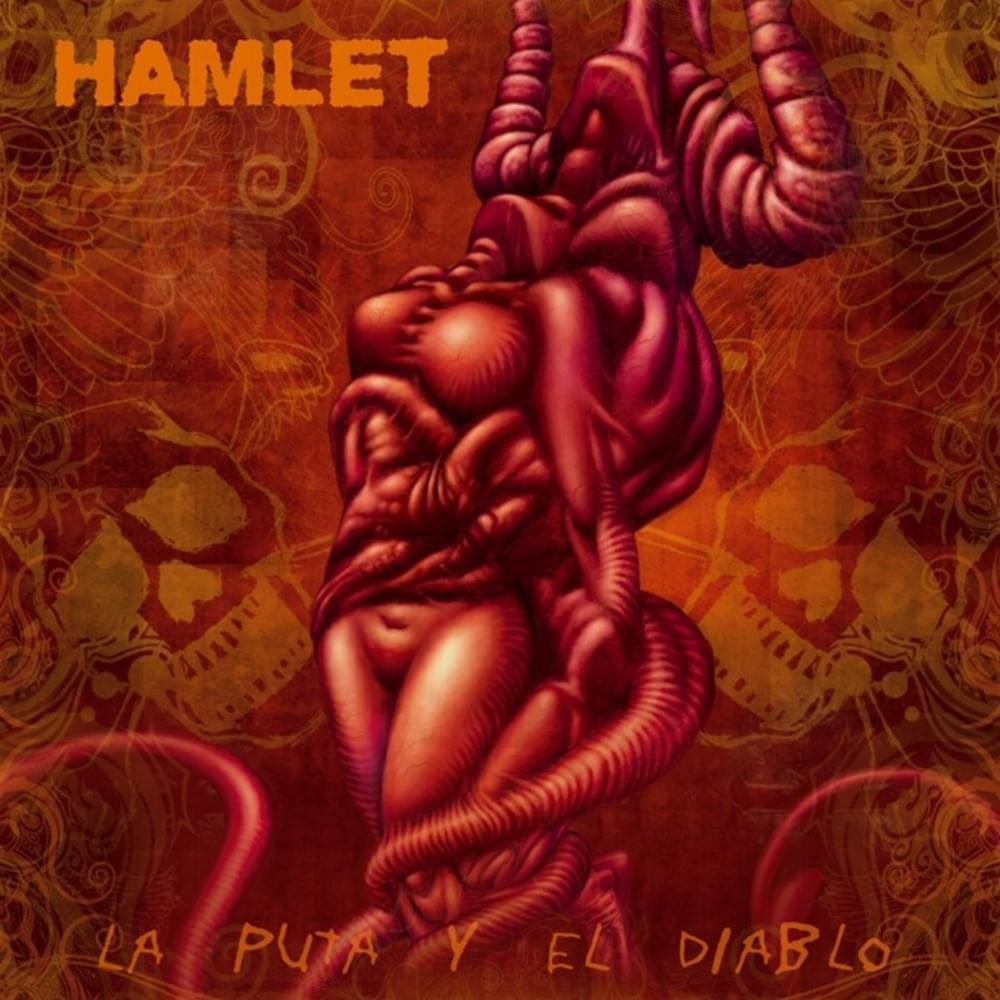
 View Artist