Song Meaning
The lyrics paint a vivid picture of someone embracing a perceived mental "illness" as a form of liberation. The opening lines describe an external force trying to control or confine the narrator's thoughts, suggesting a struggle against societal norms or external pressures that fear what they don't understand. This initial confinement sets the stage for a defiant rejection of normalcy.
The central tension lies in the narrator's embrace of their own "madness," framing it not as a deficit but as a source of unique perspective and freedom. The line "Ja meine Krankheit nennt sich Leben" (Yes, my illness is called life) is a powerful redefinition, suggesting that the very experience of living, in its full, unvarnished complexity, is what others might label as insane. The act of "lachend in die Haut ritzen" (laughing and cutting into the skin) is a visceral image of finding joy or release in self-inflicted pain, further emphasizing a radical departure from conventional emotional expression.
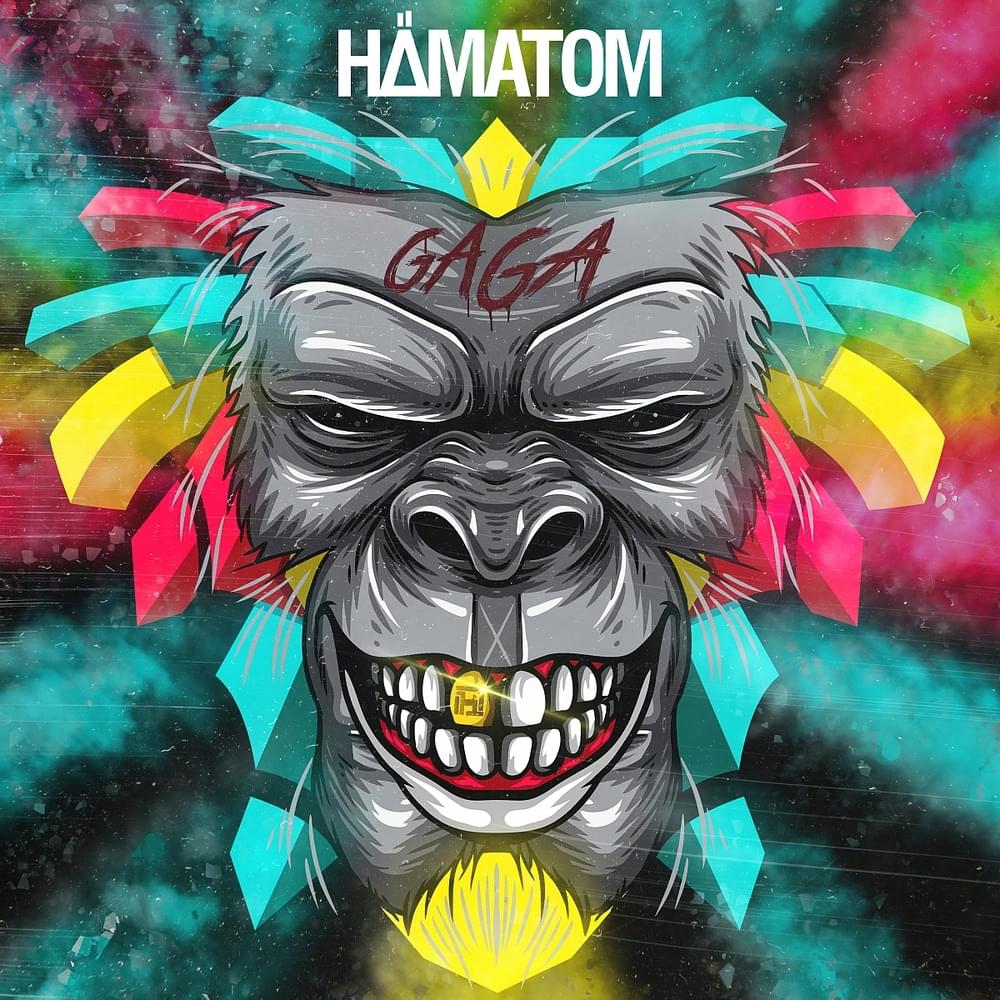
The most striking craft element is the relentless repetition of "GAGA" and "geisteskrank" (mentally ill). This isn't just a catchy hook; it's an act of reclaiming and owning the label. The surreal imagery in Strophe 3 – "12 Affen mit bunten Hauben" (12 monkeys with colorful hats), "Clowns die mit Munition jonglieren" (clowns juggling ammunition) – serves to illustrate the chaotic, nonsensical internal world that the narrator finds more fascinating than the "normal" world. The invitation in Strophe 4, "Ach komm ich schraub jetzt meinen Kopf ab" (Oh come on, I'll unscrew my head now), is a shocking, almost Dadaist gesture, offering an extreme visual of radical openness and a willingness to expose the inner workings of their unconventional mind.
Ultimately, the lyrics resonate because they tap into a desire to break free from restrictive expectations and find power in individuality, even if that individuality is perceived as "crazy." The narrator's defiant embrace of their "geisteskrank" state transforms a potential insult into a badge of honor, suggesting that true freedom comes from accepting and even celebrating one's most unconventional aspects. The song offers a cathartic release by turning societal judgment into a source of self-affirmation.
 View Artist