Song Meaning
The lyrics paint a picture of two individuals who have lived within a confined, self-contained world, a "箱庭" (hakoniwa, or miniature garden). They eventually realize the vastness of the outside world, marked by the ceaseless movement of stars and wind. This dawning awareness sparks a desire to explore beyond their familiar boundaries, a yearning for something more, perhaps a shared future.
The central tension arises from the contrast between their sheltered existence and the allure of the unknown. The narrator expresses a tentative hope, asking "行けるかな" (ikeru kana, can we go?), suggesting a shared dream of a distant, vibrant blue beyond the horizon. This desire is solidified by a shared quest with a companion, a mutual agreement to "僕らの世界を探そう" (bokura no sekai o sagasou, let's search for our world) and later, "二人の国を見つけよう" (futari no kuni o mitsukeyou, let's find our country).
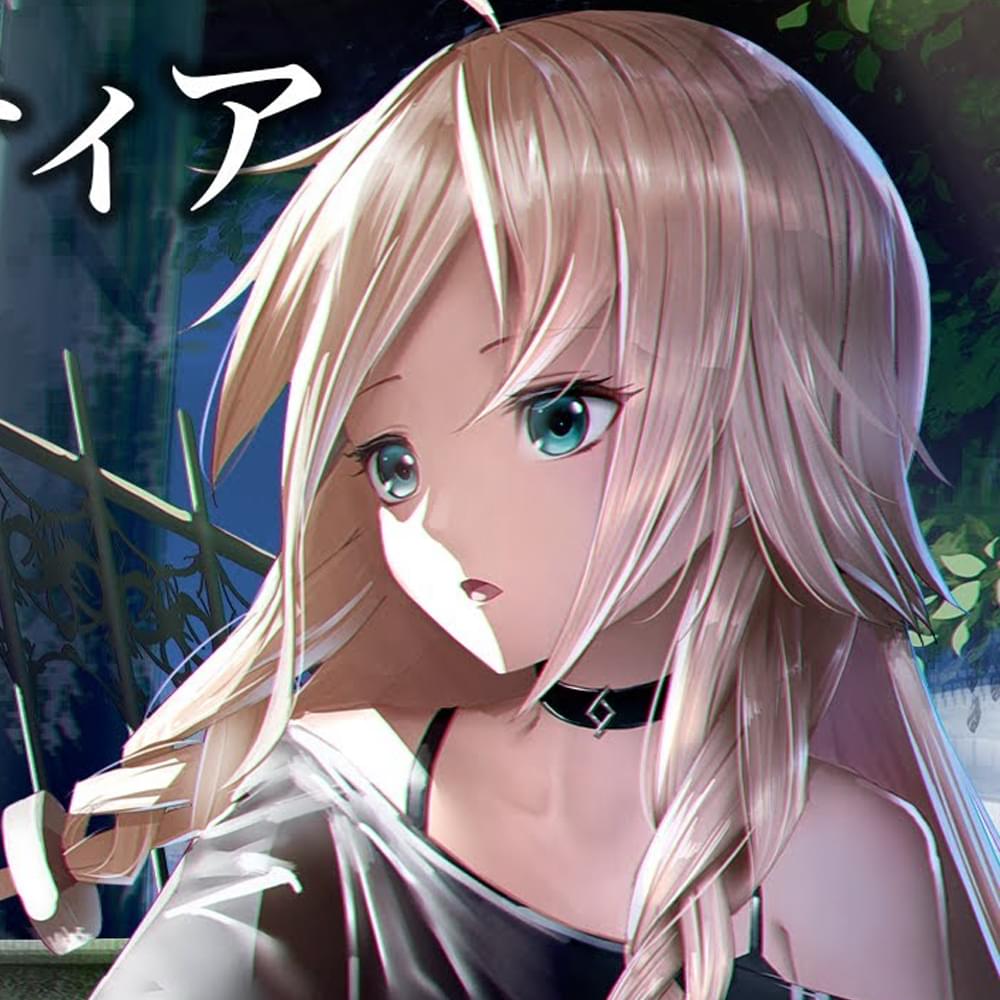
The concept of "イノセンティア" (Innocentia) emerges as a guiding force, described as a place led by a "幼な心" (osana kokoro, childlike heart). This suggests a pure, uncorrupted ideal or destination born from innocent desires. The act of breaking free from the "箱庭" and stepping "空の下へ" (sora no shita e, under the sky) signifies a profound transition from confinement to openness, a shared escape into a larger reality.
As the journey progresses, the realization deepens: the distant blue they dreamed of is not just a place, but "それは君の色" (sore wa kimi no iro, it is your color). This shifts the focus from an external destination to the profound connection with their companion. The act of creating "二人の国" (futari no kuni, our country) becomes less about finding a new land and more about solidifying their shared existence, with the childlike heart of Innocentia now residing within them, a testament to the enduring power of their innocent bond.