Song Meaning
This track opens with a deceptively simple counting rhyme, "En to tre, hoppe sa gåsa," immediately followed by the assertion that the goose believes itself free. This sets up a playful, almost childlike facade that quickly cracks. The narrator then claims control, stating the fox dances "etter pipa mi" – to my tune. The introduction of "Rødhette bestemor" (Little Red Riding Hood and Grandmother) and the chilling declaration "Æ vet kor begge bor" (I know where both live) signals a dark twist, transforming the nursery rhyme into a predatory threat. The recurring refrain, "Storeulv e løs, du bør vær´ nervøs" (Big bad wolf is loose, you should be nervous), solidifies this menacing persona.
The core tension here is the narrator's assertion of absolute power and predatory intent cloaked in familiar, almost innocent imagery. The lyrics present a predator who is not just lurking but actively aware of its prey and their vulnerabilities, as seen in the lines about knowing where Little Red Riding Hood and Grandmother live. The narrator claims to operate by "min egen lov" (my own law) and explicitly states, "I ditt liv går æ på rov" (In your life, I go on a rampage/prey). This isn't just a threat; it's a declaration of dominance and a subversion of traditional fairy tales where the predator is eventually overcome.
The craft of the lyrics hinges on this subversion and the narrator's self-aware manipulation of perception. The phrase "Finn fem feil, se mæ på TV" (Find five mistakes, look at me on TV) suggests a performance, a curated image that is "Aldri simpel aldri vulgær" (Never simple, never vulgar). Yet, this polished exterior is contrasted with the raw predatory nature revealed in "prøv å kle av mæ / Mine fine fåreklær" (try to undress me / My fine sheep's clothing). The narrator is playing a role, a wolf in sheep's clothing, inviting scrutiny while simultaneously promising destruction.
What makes these lyrics so effective is the chilling confidence of the narrator and the way familiar childhood motifs are twisted into instruments of psychological terror. The repeated threat, "Storeulv kan le, vet kem du e" (Big bad wolf can laugh, knows who you are), and its variations, "Storeulv kan se, vet kem du e" (Big bad wolf can see, knows who you are) and "Storeulv e med, vet kem du e" (Big bad wolf is with you, knows who you are), create an inescapable sense of being watched and known by a malevolent force. The final lines, claiming "Min himmel og mi jord" (My heaven and my earth), cement the narrator's god-like, all-consuming ambition, leaving the listener with a profound sense of unease.
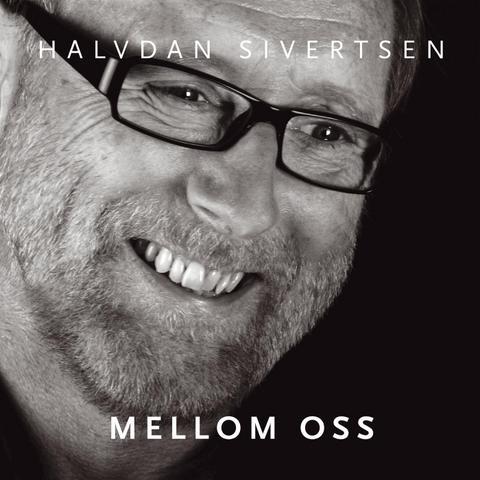
 View Artist