Song Meaning
The lyrics paint a picture of someone emerging from a dark place, symbolized by a distant day and frozen dreams. The initial lines evoke a longing for peace, a desire for the "ice lump" within to thaw, suggesting a past marked by anxiety. The setting, "between mountains and fjords," offers a potential for safety, but the narrator questions who can truly save the day, or even the world, implying a sense of helplessness or a search for external salvation.
The core tension arises from this contrast between past struggle and present potential. The repeated phrase "Så e det du" (Then it's you) acts as a turning point, shifting the focus inward. The narrator appears to recognize that the power to overcome the darkness resides within the subject, who is now "new and naked." This state of vulnerability is presented not as weakness, but as a revelation of their true, inherent magnitude.
The most striking craft element is the juxtaposition of profound internal struggle with simple, declarative statements of self-realization. The question "Kor stor du e?" (How big are you?) is repeated, transforming from a potential lament about insignificance to a powerful affirmation of inner strength. The image of the subject shining "so I can see it" and being perceived as an "angel" suggests a transformative glow that pulls the narrator out of their own despair, highlighting the redemptive power of witnessing another's self-acceptance.
Ultimately, the effectiveness of these lyrics lies in their depiction of a personal epiphany. The shift from external questioning to internal recognition is palpable. The narrator moves from seeking salvation from the world to finding it in the subject's raw, unadorned self-awareness. The repeated assertion that "You are life" solidifies this newfound understanding, making the personal revelation feel like a universal truth about resilience and inherent worth.
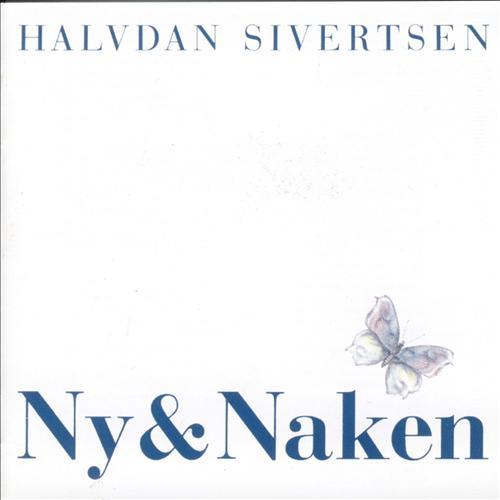
 View Artist