Song Meaning
The lyrics paint a stark contrast between a peaceful, cradled infant and the encroaching darkness of conflict and environmental decay. The opening lines offer a tender image of a baby finding peace, nestled warmly, seemingly safe from the world's troubles. This intimate scene, however, is immediately juxtaposed with images of "weapons and madness" and "poison cloud" spreading, creating a profound sense of unease. The narrator's observation of a father holding his child, both filled with fear, underscores this tension. The shared anxiety, a "life on loan," highlights the fragility of existence in a troubled world.
The core of the lyrics lies in the palpable fear for the next generation's future. The narrator expresses a deep-seated anxiety shared by mothers, a dread that children will never witness life flourish or grow to their full potential. This fear is rooted in the "weapons and madness" and the environmental threats mentioned earlier, suggesting a world where growth and peace are actively suppressed. The repeated phrase "Aldri se" (never see) emphasizes this potential for a stifled existence, a life denied its natural progression.
What truly elevates these lyrics is the powerful shift from passive observation to an urgent call to action. The narrator moves from witnessing fear to articulating a desperate need for resistance. The image of "hands to hold" and "hope to fetch" suggests solidarity and the potential for collective strength. The final lines, "The voice must rise before the last sun has set," are a potent plea against complacency, urging listeners to confront those who have "rusted up in peace" – a striking metaphor for inaction and the slow decay of justice and safety.
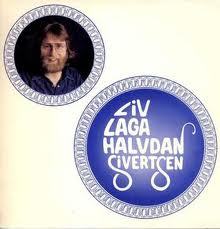
 View Artist