Song Meaning
The lyrics paint a vivid picture of hope emerging from difficult circumstances, juxtaposing a triumphant king on a balcony with the quiet desperation of a mother awaiting her imprisoned husband's return. The initial image of the king during wartime, a figure of needed hope, transitions to a scene of personal struggle. This contrast highlights that freedom isn't just a grand, public declaration but also a deeply personal yearning.
The central tension arises from the waiting – the anticipation of freedom. The king's balcony appearance signifies a public dawn, a collective sigh of relief as the war ends and spring arrives. Yet, this grand moment is immediately countered by the intimate, anxious wait of a woman whose love is imprisoned, her joy at a newborn son overshadowed by fear and the rising river, a potent metaphor for impending hardship. This duality underscores that freedom's arrival is experienced differently by those celebrating and those still enduring.
The recurring refrain, "Frihet - d`e like før toget ska gå" (Freedom - it's just before the train is about to leave), is a masterclass in capturing the precipice of change. It's not the arrival, but the moment *just before*, charged with both possibility and uncertainty. The line "Friheten kan aldri trampes ned og låses inn" (Freedom can never be trampled down and locked in) asserts an unyielding spirit, a belief that true liberty cannot be extinguished, even in the face of oppression.
This lyrical construction is effective because it grounds the abstract concept of freedom in concrete, relatable human experiences. The imagery of the king and the mother, the rising river and the departing train, all coalesce to create a powerful emotional resonance. The lyrics suggest that freedom is a persistent whisper through the night, a force that, while perhaps delayed, is ultimately unstoppable and deeply personal.
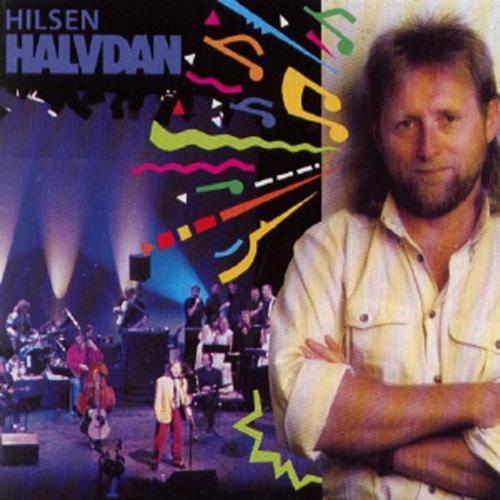
 View Artist