Song Meaning
The lyrics paint a stark picture of an elderly individual facing their own mortality, not with dramatic flair, but with a quiet, almost bureaucratic resignation. The opening question, "Vet du hvorfor jeg er død?" (Do you know why I am dead?), immediately sets a tone of bewildered finality, contrasting with the mundane details of a recent doctor's visit for arthritis. This isn't a sudden, tragic end, but a slow fade, where the narrator was already contemplating death while still physically present, observing the vacant spots left by others.
The dominant emotional tension arises from the narrator's profound sense of "meningsløse ensomhet" (meaningless loneliness), despite living in a society that provided for them with "trygd og stokk" (welfare and a cane). The juxtaposition of societal provisions – the "eldretreff med kaffe, kosepjatt og andakt" (senior meet-ups with coffee, cozy chat, and prayer) and the routine of "middagsstund og doktor" (dinner time and doctor) – against the internal emptiness highlights a deep disconnect. This loneliness is amplified by the awareness of others passing, creating a morbid "venteværelset vårt" (our waiting room) where life's mundane comforts feel hollow against the backdrop of impending death.
The most striking aspect of the craft is the narrator's darkly ironic gratitude: "Og jeg takker hele Norge for den meningsløse ensomhet jeg fikk." This isn't genuine thanks, but a bitter indictment of a life that, while provided for materially, felt spiritually barren and isolating. The mention of the "skolekorps på grunnlovsdagen" (school marching band on constitution day) serves as a poignant, almost jarring, image of national pride and communal life that the narrator observes from a distance, further emphasizing their isolation. The final plea, "Kjære Gud slipp meg inn, Du vet nå er jeg på vei" (Dear God let me in, You know now I am on my way), is a desperate, weary surrender, seeking an end to the waiting and the emptiness.
These lyrics resonate because they capture a specific, often unspoken, dread of aging and dying alone, even within a seemingly supportive system. The power lies in the understated delivery of profound loneliness and the quiet, yet sharp, critique of a life that was lived, but perhaps not fully experienced. The mundane details ground the existential dread, making the narrator's final, weary plea for release all the more impactful.
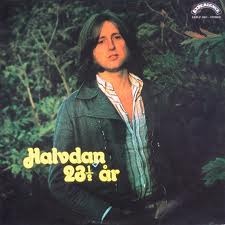
 View Artist