Song Meaning
The lyrics paint a stark picture of a nation mired in perpetual conflict and societal decay. The opening lines immediately establish a sense of historical struggle, referencing "bomb with, acid, with fires" and a "civil military legal coup," suggesting a cycle of violence and authoritarianism. This isn't just political unrest; it's a deep-seated rot that has left the country "surrendered to the unworthy." The repeated, emphatic "Yok, yok, yok istemiyorum" (No, no, no, I don't want it) acts as a visceral rejection of this grim reality.
The second verse shifts to a more personal, yet still bleak, landscape. The "world sings a lullaby" while the narrator's mother dies young, a poignant image of innocence lost amidst harshness. The "concrete jungle's poisoned shadow" evokes a suffocating, unhealthy environment. The plea to "wake me when dawn breaks" and the subsequent "Ses-siz-lik istemiyorum" (I don't want silence) highlight a desire for awakening and a refusal to be complicit in the prevailing quietude, even as the chorus reiterates the rejection of the broader societal decay.
The third verse directly confronts historical traumas, naming specific cities like Çorum, Maraş, and Sivas, which are associated with massacres and violence in Turkish history. The plea "Teacher, please wait, don't die" and the absurd date "February 30th" suggest a desperate attempt to hold onto knowledge or guidance that is slipping away, perhaps due to the very violence and suppression the narrator rejects. The final outro, "When everyone is silent, fear wins," solidifies the central theme: a profound refusal to accept a state of fear-driven silence and the oppressive conditions it enables.
What makes these lyrics so potent is their unflinching gaze at systemic failure and historical trauma, coupled with a raw, almost desperate, refusal to accept it. The use of stark imagery – from "acid" and "fires" to "concrete jungle" and "poisoned shadow" – creates a suffocating atmosphere. The direct naming of cities associated with violence grounds the abstract rejection in specific, painful history. The repeated, almost chanted, "Yok, yok, yok istemiyorum" is not just a statement of dissent; it's an act of defiance against a seemingly inescapable cycle of suffering and silence.
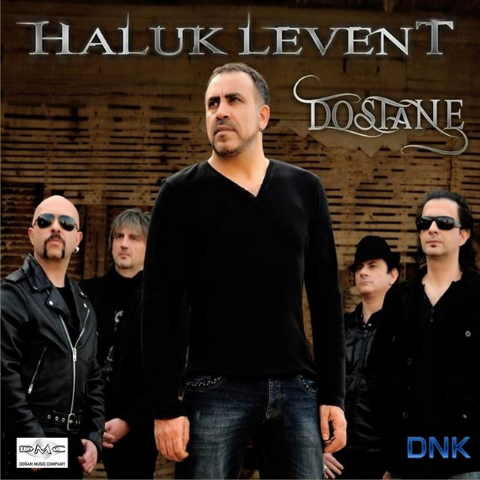
 View Artist