Song Meaning
The lyrics paint a picture of profound personal struggle and an inability to escape a painful situation. The narrator is caught between a desire to be present and a forced departure, lamenting, "I can't look at your face." There's a deep internal conflict, a disconnect between their words and true feelings, stating, "I can't be myself." This inability to reconcile their inner state with their outward presentation creates a palpable sense of distress.
The central tension revolves around an irreversible decision and the overwhelming weight of a relationship. The line "Tomorrow won't come, I can't get past you" suggests a dependency so strong that the future feels impossible without this person. The narrator has "cut my bread with blood," a stark image implying immense sacrifice and pain, making any return impossible. The emotional core is the devastating realization that life is unbearable without this connection, "Life is unbearable without you."
The repeated invocation of "Kader" (Fate) is the most striking element, functioning as both a plea and an accusation. The sheer repetition, especially the drawn-out "of...", emphasizes a feeling of helplessness and resignation. It's as if the narrator is confronting an inescapable destiny, a force beyond their control that dictates their suffering. This cyclical naming of fate underscores the feeling of being trapped, unable to find a solution or a path forward, even when aware of the way.
This lyrical construction is effective because it grounds abstract feelings of despair in concrete, albeit metaphorical, imagery. The contrast between the desire to stay and the necessity to leave, coupled with the overwhelming power of "fate," creates a powerful emotional resonance. The raw, almost desperate repetition of "Kader" leaves the listener with a profound sense of the narrator's inescapable anguish and their perceived lack of agency in a devastating situation.
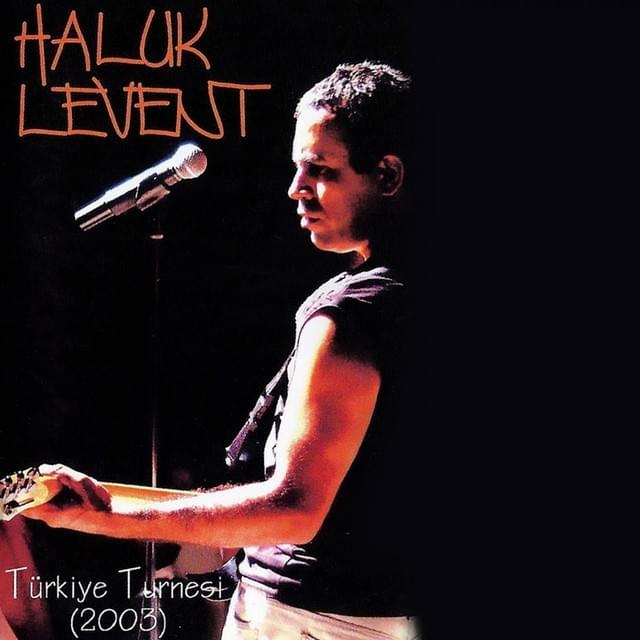
 View Artist