Song Meaning
The lyrics immediately plunge into a frantic pursuit of purpose, not just existence. There's a stark acceptance of mortality, even as the speaker urges a full, intense life. The repeated "Gotta hit the road" drives this urgent energy. It's a raw, unvarnished call to live.
A core tension emerges between the desire to "make a life" and the looming shadow of "Roadkill." The speaker acknowledges "a lot to die for," yet insists on "more to live," suggesting a profound understanding that life's value is often defined by what one is willing to sacrifice. This paradox fuels a defiant determination to push through, even against past burdens, as "Evil may come from Eves gone past." The narrator appears to be bracing for a fight, ready to "last" against these historical or inherited challenges.
The imagery of the "monkey's paw" is particularly striking, evoking a sense of dangerous, perhaps self-inflicted, ambition or a bargain with fate. This isn't a gentle journey; it's a brutal, intense engagement with one's desires, emphasized by the command to "scratch it well, scratch it hard." Juxtaposed with the philosophical anchor "Nothing endures but change," these lines suggest a relentless, almost painful striving for personal evolution, accepting that growth often comes through struggle and transformation. The speaker appears to embrace this difficult path.
Ultimately, these lyrics resonate because they capture a fierce, almost primal commitment to living life on one's own terms, consequences be damned. The repeated "Gotta call to live" isn't just a suggestion; it's an imperative, a deep-seated drive that overrides fear. The defiant declaration "I like living hard" encapsulates the entire ethos, celebrating resilience and the sheer force of will required to overcome "all I overcome." The abrupt, almost aggressive final line, "Kill at will," leaves a powerful, unsettling impression of absolute agency and unyielding determination in the face of life's inherent dangers.
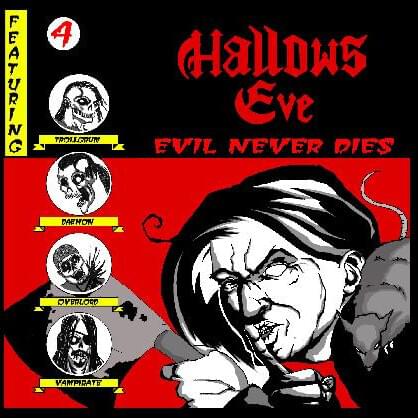
 View Artist