Song Meaning
The lyrics paint a picture of a mind grappling with overwhelming information and a sense of existential dread, all filtered through a distinctly American, perhaps even rural, lens. The opening lines juxtapose mundane troubles with the cosmic, as the narrator is "on call with astronauts" while simultaneously "pick[ing] apart a broken watch." This creates an immediate tension between the vastness of the universe and the small, broken mechanisms of everyday life. The phrase "Everybody falls asleep when oxygen dies" suggests a collective apathy or a profound loss of vitality, a chilling observation on societal inertia.
The core of the song seems to wrestle with the nature of truth and deception. We're told "Hundred horses, hundred wines / That's a secret, that's a lie," hinting at hidden realities and manufactured narratives. The mention of a "planetoid connection / That they caught and tried to hide" amplifies this paranoia, suggesting a conspiracy or suppressed knowledge. The narrator dismisses "Paranoid's a boring game / Jealousy is just the same," yet the pervasive sense of unease and hidden truths suggests these feelings are hard to escape, especially when faced with a demand to "Hit me with the hammer when the light turns green."
The lyrics then pivot to a more abstract, almost meta-commentary on culture and innovation. The scene shifts to a "Dairy Mart," a commonplace setting, yet the narrator declares "Made inventions, broke conventions / Raised a glass to new pretensions." This is followed by the stark pronouncement "Meta-meta-meta-and the novel is dead," suggesting a saturation of meaning or a loss of original thought in a hyper-referential world. The subsequent dismissal of "mathmagicians" and the proposal of "superstition" as a means of guaranteed success ("Always mumbling, never sick / A way to increase your sales / Never question, never fail") feels like a cynical embrace of irrationality in the face of complex, perhaps unsolvable, problems.
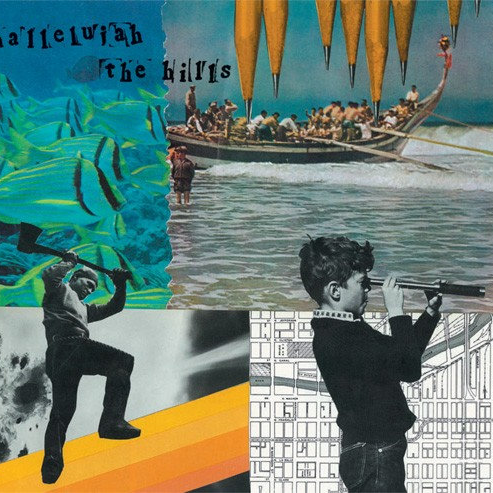
The final, repeated refrain, "I was born in Vermont / And we'll all die in Vermont / Hallelujah the hills!" grounds the abstract anxieties in a specific, perhaps idealized, place. It’s a declaration of origin and destiny, tinged with a weary, almost ironic, reverence for the landscape. This concluding sentiment offers a strange solace, a return to the elemental, even as the preceding verses detail a world saturated with artifice and hidden anxieties. The "Hallelujah the hills!" becomes a complex benediction, acknowledging both the beauty of the natural world and the inescapable, perhaps even comforting, limitations it imposes.
 View Artist