Song Meaning
The lyrics paint a picture of individuals who feel unfairly burdened by the city's troubles. They describe themselves as having "brewed up" and "ruled over words," suggesting a period of introspection or perhaps self-medication, where they "filtered our pains well" to the point of teaching love to the mythical figure Mecnun. This sets up a contrast with an external force, an "unforeseen person" who can "make the sun frown," implying that even their carefully processed sorrows can be overshadowed by a more potent, perhaps destructive, presence. The narrator questions the city's anger, asking, "Who did Istanbul get angry at to take it out on us like this?"
The central tension lies in the perceived injustice of being blamed or suffering for the city's problems. The narrator asks, "Why did we find the pain of those who lost their pain?" This suggests a feeling of being scapegoated or absorbing the negative energy of others who have perhaps become numb to their own suffering. The line "Autumn drinks us like this" evokes a melancholic, somber mood, implying that this state of being is cyclical and pervasive, like the changing seasons. The core conflict is the disconnect between their search for truth and how they are perceived: "As we searched for the truth, we became drunkards to some."
The most striking craft element is the repeated questioning of Istanbul's motives and the narrator's place within its turmoil. The phrase "Ayyaş olduk" (we became drunkards/debauchees) is used as a label imposed by others, contrasting with their internal state of "searching for truth." This contrast highlights a societal judgment that misinterprets their struggles or coping mechanisms. The imagery of autumn as a force that "drinks us" is also powerful, personifying the season as an agent of this pervasive melancholy and resignation.
These lyrics resonate because they capture a specific kind of urban alienation and the frustration of being misunderstood. The writing effectively uses rhetorical questions to convey a sense of bewilderment and injustice. The juxtaposition of their internal search for meaning with the external label of "ayyaş" creates a poignant commentary on how societal pressures and misinterpretations can lead to feelings of isolation, even when one believes they are on a path of self-discovery.
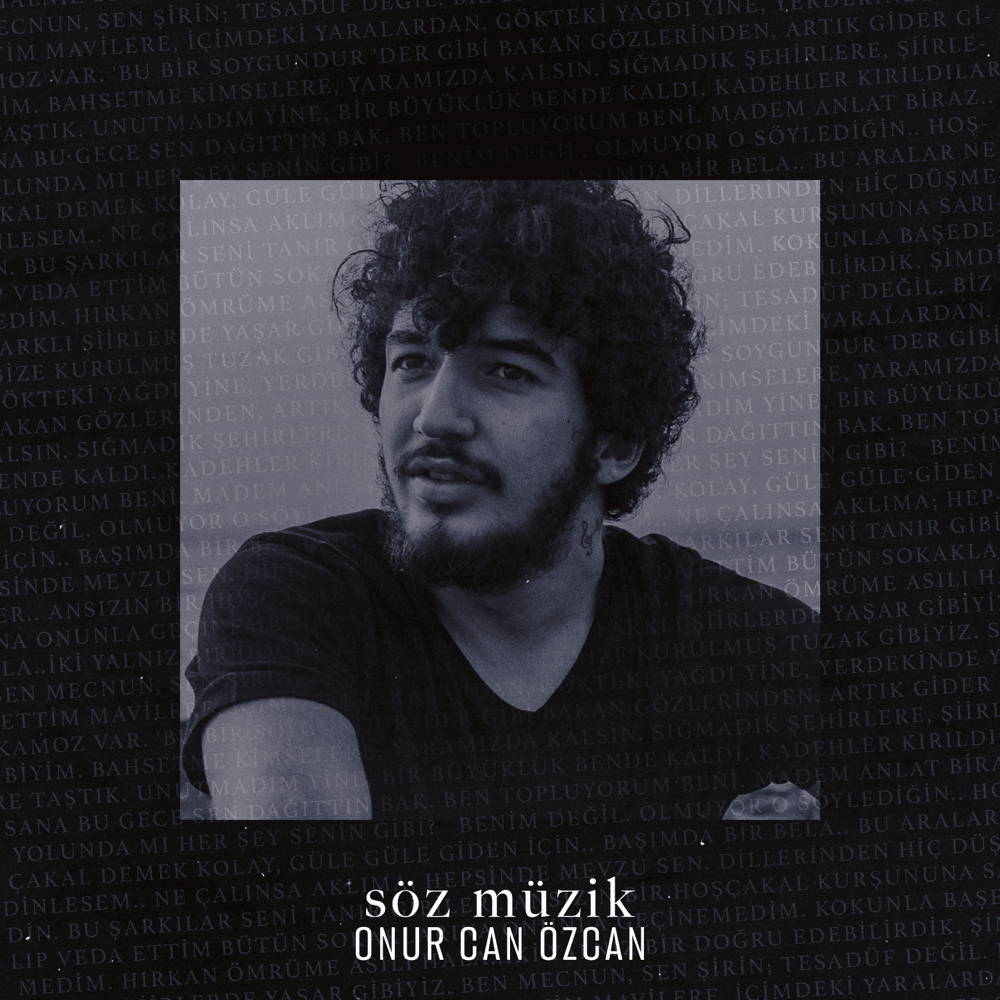
 View Artist