Song Meaning
The narrator grapples with the aftermath of past struggles, a cycle of trying to mend broken pieces from "yesterdays" without ever finding a solid reason for the pain. This search for meaning in the ruins of the past feels futile, leaving them stuck in a loop of regret and unanswered questions. The dominant tone is one of weary resignation, a sense of being lost in the debris of what was.
The lyrics pivot to a hypothetical crisis, posing urgent questions about action and response when everything is lost. "What you'd do / When the world's on fire?" highlights a feeling of being overwhelmed and unprepared for extreme circumstances. This hypothetical scenario seems to mirror the internal state of feeling engulfed by personal turmoil, where the usual comforts and defenses become suffocating.
The central metaphor of the butterfly emerges as a powerful contrast to the narrator's current state. The idea of breaking out of "covers / That have held you safe so long" but now "hurt" suggests a painful transition from a protective but restrictive past to an unknown future. The butterfly, with its "colors free and wild," represents an aspiration for liberation and vibrant self-expression, a stark departure from the muted struggle of the verses.
This transformation is framed as a necessary, albeit daunting, act of self-creation. The realization that "they were made to fly" offers a glimmer of hope, suggesting an inherent potential for freedom that has been suppressed. The repeated declaration, "I'll be a butterfly," becomes an anthem of determined self-emancipation, a promise to embrace a more authentic and colorful existence despite the lingering pain of past confinement.
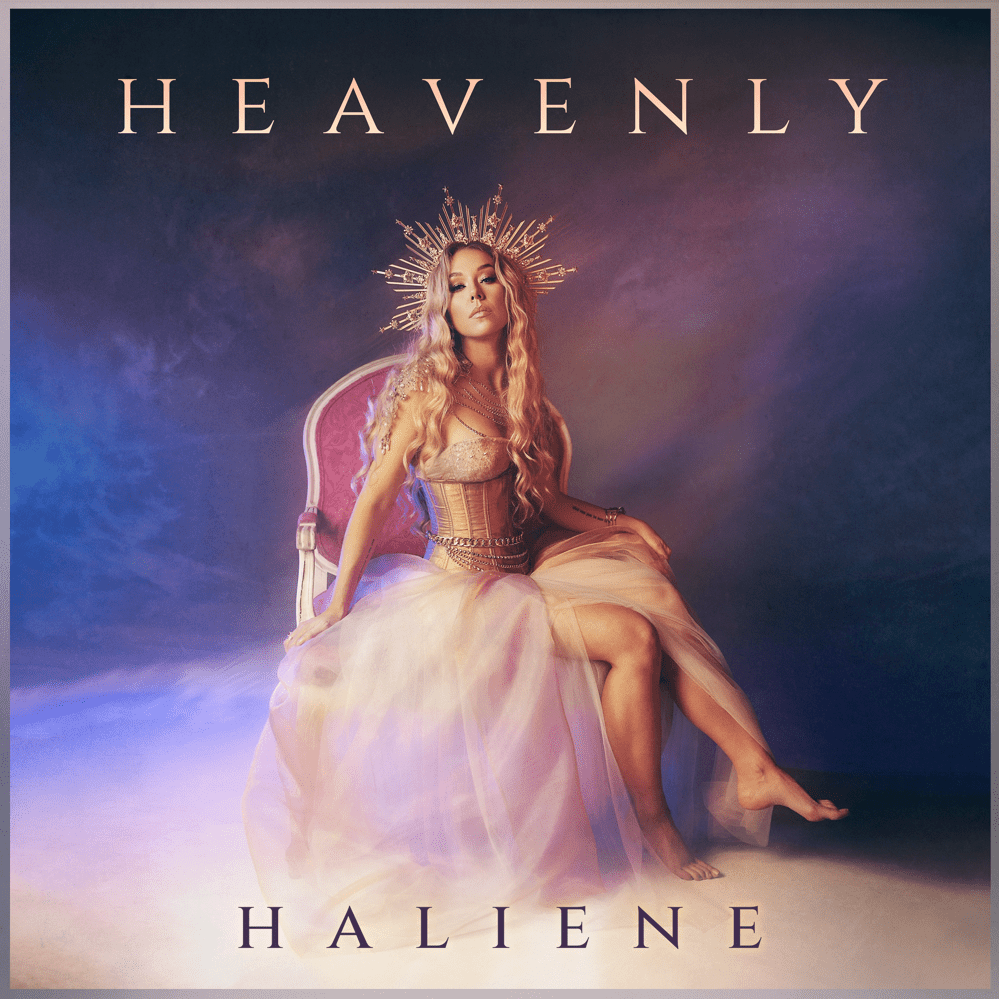
 View Artist