Song Meaning
The lyrics paint a stark picture of abandonment and a specific, lonely refuge. The opening lines establish a shared fate for anyone lacking love or left behind by happiness, placing them in the same category as the narrator. This isn't just personal sorrow; it's a collective identity forged by misfortune. The repeated phrase, "Mjesto mu je kao i meni / Zna se, gdje idu ostavljeni" (His place is like mine / It is known, where the abandoned go), hammers home this sense of a designated, almost predetermined, space for the forsaken.
The central tension lies in the conditional invitation to return, or even just to be seen. The narrator offers a specific location: "U nekoj kafani" (In some tavern). This isn't a plea for reconciliation or a hopeful promise of a shared future. Instead, it's a statement of fact about where the narrator will be found, a place that seems to be the natural habitat of the abandoned. The repetition of "Naći ćeš me" (You will find me) in this context feels less like an eager welcome and more like a resigned certainty.
The imagery in the second verse is particularly potent. The narrator suggests they might be unrecognizable "U moru ostavljenih" (In a sea of the abandoned), emphasizing the sheer volume of those left behind. The location is further detailed as "Na raskršću punom dima" (At a crossroads full of smoke), a classic trope for a place of uncertainty, despair, and perhaps vice. This smoky crossroads within a tavern becomes the symbolic endpoint for those who have lost love and happiness.
This lyrical construction is effective because it grounds profound emotional desolation in a very specific, mundane setting. The tavern, often a place of social gathering, is here transformed into a sanctuary for the lonely and forgotten. The narrator isn't just sad; they've found a place that matches their internal state, and they offer this location as the only possible meeting point, highlighting the bleakness of their current existence.
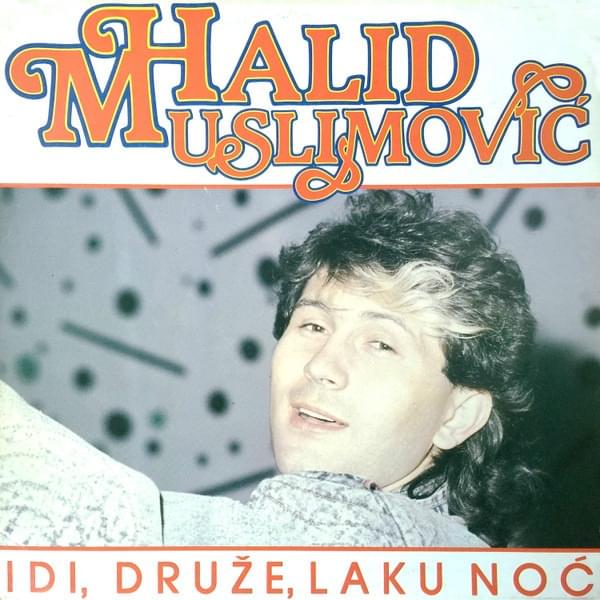
 View Artist