Song Meaning
The lyrics paint a stark picture of a chance encounter between two former lovers, now with new partners. The initial meeting is frozen in time, a moment where "sto godina" (a hundred years) seems to have passed since their parting, emphasizing the weight of their shared history. This sets a tone of unresolved past colliding with present realities, creating an immediate sense of poignant nostalgia and awkwardness.
The central tension explodes in the chorus, where the narrator is asked "kako mi je" (how are you?). His spoken reply, "dobro mi je" (I'm fine), is immediately undercut by the internal confession: "I never told a bigger lie." This internal monologue reveals the profound disconnect between his outward appearance and his inner turmoil, highlighting the pain of seeing an ex-lover while pretending to be over them. The repetition of this lie underscores its significance and the narrator's struggle.
The second verse deepens this conflict, showing the narrator holding his new partner's hand while his ex is with someone else. He actively "skrivao sam pogled svoj" (hid my gaze) to conceal his "muku" (suffering). This physical act of concealment mirrors the emotional deception in the chorus, showing a desperate attempt to maintain composure and hide the lingering pain of their past relationship. The contrast between the external action (holding a new hand) and the internal state (hiding pain) is a powerful portrayal of emotional conflict.
Ultimately, the effectiveness of these lyrics lies in their raw, unvarnished portrayal of a specific, painful human experience. The direct, almost conversational language, coupled with the stark contrast between spoken words and internal thoughts, makes the narrator's hidden anguish palpable. The repetition in both the verses and chorus amplifies the feeling of being trapped in a moment of profound emotional dishonesty, making the listener feel the weight of unspoken feelings.
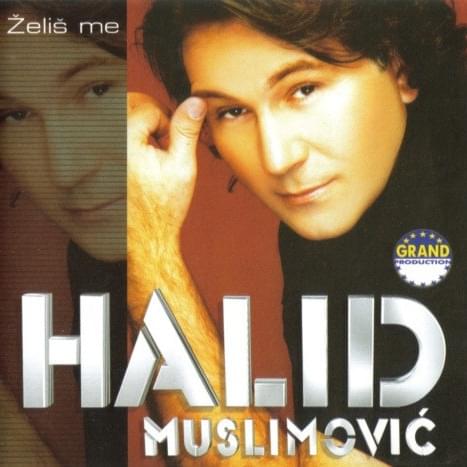
 View Artist