Song Meaning
The lyrics paint a picture of a couple rekindling a past connection, driven by a shared desire and a sense of urgency. The opening lines, "Mi hoćemo, mi možemo" and "Mi hoćemo, mi moramo," immediately establish a powerful collective will. This isn't just a casual thought; it's a declaration of intent, suggesting a deep-seated need to be together and the belief in their ability to achieve it. The narrator recalls a "divno veče" (beautiful evening) where love whispered for them to "K'o nekad krenimo mi" (As before, let's go), implying a return to a cherished state or a renewed commitment.
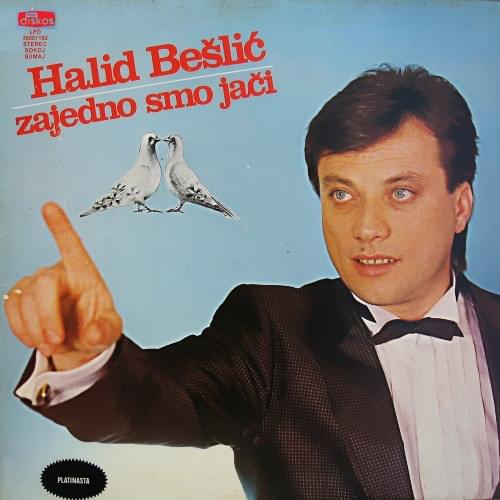
The central tension lies in the contrast between past and present, and the explicit plea for mutual affirmation. The repeated phrase "Zajedno smo mnogo jači" (Together we are much stronger) and "Zajedno smo mnogo bolji" (Together we are much better) forms the core message, emphasizing their enhanced state when united. This is underscored by the urgent "Voli me, voli me, voli" (Love me, love me, love me), a direct appeal that highlights the emotional stakes and the narrator's need for reassurance that this shared strength is reciprocated and valued by their partner. The question "Da l' ti ovo nešto znači?" (Does this mean anything to you?) directly probes the partner's feelings, adding a layer of vulnerability to the declarations of strength.
The song's effectiveness stems from its direct, almost chant-like repetition and its focus on simple, powerful affirmations. The structure builds momentum through the recurring "Zajedno, zajedno, zajedno" (Together, together, together), creating a sense of unity and shared purpose. The imagery is sparse but evocative: a "divno veče," a hand being given, and the act of being led ("Vodi me, vodi me ti"). These concrete actions, combined with the insistent repetition of "hoćemo" (we want) and "možemo" (we can), create an undeniable feeling of forward motion and mutual reliance, making the plea for love feel earned and essential to their shared future.
 View Artist