Song Meaning
This song paints a picture of intense, almost overwhelming devotion. The narrator is upfront about not wanting to "foliram" (fool or pretend), stating they "najbolje osjećam" (feel you best). This person has become deeply ingrained, "ušla si / Kô posljednji voz ljubavi" (you entered / like the last train of love), signifying a profound and perhaps final arrival into their life. The initial verses establish a sense of absolute certainty and deep connection, suggesting this isn't a casual infatuation but something that has fundamentally altered the narrator's world.
The core tension lies in the narrator's declaration of unwavering commitment versus the implied past struggles or perceived superficiality of other relationships. The repeated phrase "Vazda, samo tebi / Mogu reći sve" (Always, only to you / I can say everything) emphasizes a unique trust and openness reserved solely for this individual. This exclusivity is juxtaposed with the mention of "beznačajnih utakmica ljubavi / S malo, s malo golova" (insignificant love matches / with few, few goals), hinting at a history of unfulfilling connections that makes this current bond even more precious.
The lyrics employ striking, almost contradictory terms of endearment. The narrator calls the beloved "Cvijeće najbolje" (best flower) and "Ciganko, volim te" (Gypsy girl, I love you), while also being called "Alčaku, đavole" (a term of endearment, roughly meaning 'my little devil' or 'rascal'). This blend of sweet, almost delicate imagery with more playful, potentially provocative labels creates a complex emotional portrait. It suggests a relationship that is both deeply cherished and possesses a fiery, untamed spirit, defying simple categorization.
Ultimately, the song's power comes from its directness and the raw emotion conveyed through simple, declarative statements. The narrator isn't just expressing love; they're asserting a profound need for this person as their sole confidant and the object of their deepest affections. The imagery of wanting to "pozlatim" (gild) their life and have them known "Po ljepoti" (for beauty) by the stars and moon elevates the beloved to an almost celestial status, solidifying the narrator's singular focus and adoration.
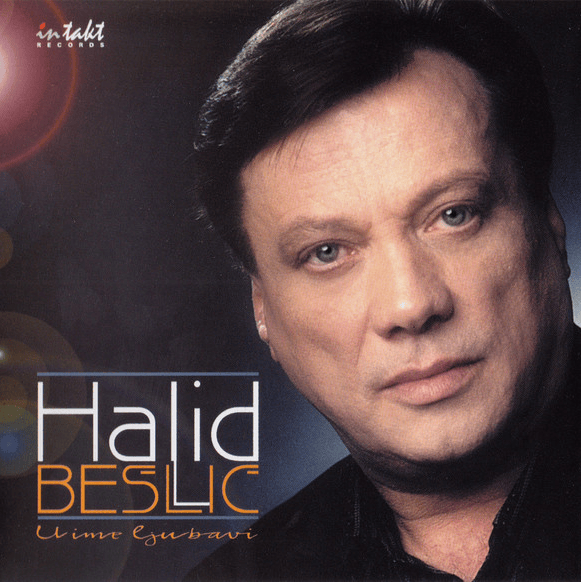
 View Artist