Song Meaning
The lyrics present a series of mundane, almost absurd observations that build a peculiar kind of dread. The repeated line, "There is surely nothing worse than washing sieves," establishes a baseline of domestic tedium, immediately undercut by a humorous, yet strangely specific, comparison to being Garth Brooks. This juxtaposition of the utterly ordinary with a celebrity's perceived plight hints at a deeper, unarticulated dissatisfaction with everyday existence. The narrator seems to be cataloging minor annoyances and oddities, creating a tapestry of the unglamorous.
The central tension emerges from the contrast between these small, relatable inconveniences and the looming, almost cosmic, pronouncements that follow. The image of switching off a kitchen light with one's chin while holding tea and toast is a vivid snapshot of solitary, perhaps slightly awkward, domesticity. It's a moment of quiet, unobserved action that feels both specific and universally understood in its smallness. This is then juxtaposed with the pronouncements by the lake, where a warning about a swan's aggressive potential feels disproportionate to the setting, suggesting a world where even nature harbors unexpected dangers.
The most striking craft element is the abrupt shift in scale and tone. The lyrics move from the hyper-specific domestic to the mythic and existential, only to land on a very particular cultural reference: getting into the Manics. The phrase "Before the gods that made the gods were born" is a grand, almost blasphemous, statement of ancient origins. This epic preamble then collapses into the declaration that *this* is when the narrator's affinity for the band began. It's a comedic deflation, using cosmic time to explain a personal musical preference, suggesting that for the narrator, significant life events are framed by pop culture touchstones.
This lyrical approach is effective because it taps into a specific kind of observational humor that finds the profound in the trivial and the absurd in the grand. By meticulously detailing minor struggles and then linking them to vast, almost meaningless, cosmic events or niche cultural moments, the lyrics create a sense of shared, slightly bewildered experience. The humor arises from the unexpected connections and the sheer specificity of the observations, making the mundane feel strangely significant and the grand feel oddly personal.
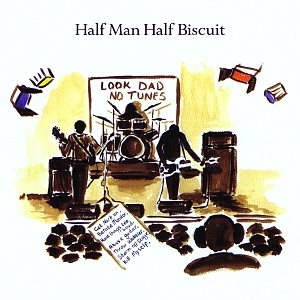
 View Artist