Song Meaning
The narrator's hands are literally stained with thistle milk, a visceral image that grounds the opening lines in a messy, tangible reality. This physical grime mirrors a deeper self-awareness: "I can see what a fool I've been." The repetition of this phrase, coupled with the stark admission of the state it's gotten them into, establishes a tone of regret and self-recrimination right from the start. It's a raw, unvarnished look at personal failure.
The core tension here seems to be the conflict between aspiration and reality, specifically within a creative or artistic context. The repeated references to figures like Steve Malkmus, J Buckley, and Lou Barlow suggest a desire to embody a certain kind of artistic persona, perhaps one of effortless cool or profound expression. However, this aspiration has led to a diminishment of inner fire, a descent into "vagrancy and chill," and the gnawing fear that time is being wasted on "nothing."
The most striking element is the juxtaposition of artistic idols with mundane or even unglamorous figures. The narrator contrasts the potential of being like Lou Barlow with the reality of being "like Ken Barlow," a character from a long-running British soap opera known for his ordinary, often troubled, life. This sharp contrast highlights the perceived gap between the idealized artist and the narrator's actual, less-than-glamorous existence. The desire for a simple, honest job on the bins, with better pay and "hard blokes," further emphasizes this disillusionment with the pursuit of something more abstract or artistic.
This lyrical construction is effective because it grounds abstract feelings of failure in concrete, relatable imagery and specific cultural touchstones. The thistle milk, the specific names dropped, and the Ken Barlow comparison all serve to make the narrator's internal struggle feel immediate and specific. The humor in the self-deprecation, particularly the admission of not knowing what "rhetorical" means, softens the despair while still conveying the depth of the narrator's feeling of inadequacy. It's a portrait of artistic ambition colliding head-on with a less-than-stellar outcome.
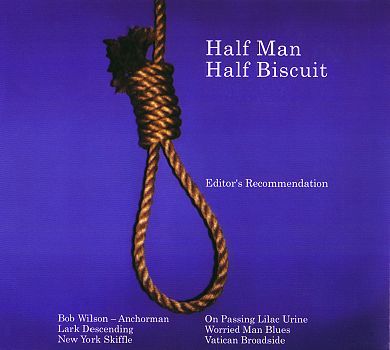
 View Artist