Song Meaning
The narrator declares himself "a man without a shadow," a phrase he immediately equates with "shadow of a doubt." This opening sets a tone of absolute certainty and self-possession, suggesting a shedding of past hesitations or insecurities. He claims to have "gave it up years ago," framing this as a deliberate choice to embrace the present and future with unwavering focus. The lyrics emphasize meticulous attention to detail and a proactive approach, aiming to "make most of what I've got" and "leave no stone un-turn."
This declared certainty, however, begins to fray in the third verse. While the initial verses paint a picture of a confident individual seizing the moment, the shift to "This wasn't good, it suppose to be great" introduces a jarring dissonance. The narrator’s assertion of being a "man without a shadow" is repeated, but now it feels less like a declaration of strength and more like a desperate attempt to convince himself. The contrast between the ideal (greatness) and the reality (not good) highlights an underlying dissatisfaction.
The most striking aspect of the writing is the persistent repetition of the "man without a shadow" motif, which evolves from a statement of confidence to a potential sign of internal conflict. The phrase, initially presented as a positive attribute, becomes ambiguous. It suggests a desire to be unburdened by past mistakes or uncertainties, yet the struggle to achieve this ideal state is palpable. The juxtaposition of the grand pronouncements with the mundane "hot cup of coffee" further underscores this tension, hinting at the difficulty of maintaining such an absolute stance in everyday life.
Ultimately, the lyrics resonate because they capture the internal battle between aspirational self-assurance and the persistent echoes of doubt. The narrator’s insistence on being "without a shadow" feels like an attempt to outrun a past or an internal critic, making the repeated phrase a powerful, if anxious, mantra. The effectiveness lies in this subtle unraveling of confidence, revealing a more complex human desire for unshakeable conviction amidst life's inevitable imperfections.
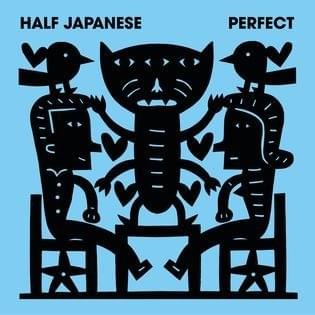
 View Artist