Song Meaning
The lyrics paint a vivid picture of intense, almost overwhelming emotion, set against a backdrop of fading light and encroaching darkness. The narrator's heart races "in Technicolor," a striking image suggesting a heightened, almost surreal sensory experience. This vibrant internal world contrasts sharply with the external world where "nobody sees me / Quite like you do," establishing a profound sense of isolation and dependence on a single individual. The line "Tonight, you're all I've got to lose" immediately signals a high-stakes emotional situation, where the presence of this person is the only anchor.
The central tension revolves around a perceived self-destructive trajectory, articulated through the recurring metaphor of a "fallen star." This star, the narrator, feels destined to fall, but the crucial qualifier is "that can only fall so far from you." This suggests that while the narrator may be self-destructing or experiencing a downfall, their connection to the listener acts as a gravitational pull, limiting the extent of their descent. It's a strange comfort found in the proximity of loss, implying that being distant from this person is a worse fate than any personal failure.
The craft here hinges on the juxtaposition of vibrant internal experience and external despair. The "silent ocean" and the feeling of "drowning" evoke a suffocating, isolating struggle, made even more poignant by the acknowledgment of the listener's sorrow: "echoes of the tears that fill your eyes." The narrator admits fault, stating, "I don't know what I'm supposed to do / To make up for all I put you through," revealing a deep-seated guilt that fuels their sense of falling. The image of a part of themselves "Burning out in the night" further solidifies this self-destructive narrative, yet it's always tethered to the listener.
Ultimately, the effectiveness of these lyrics lies in their raw portrayal of vulnerability and dependence. The "fallen star" isn't just a metaphor for personal failure; it's a declaration of how that failure is intrinsically linked to another person. The narrator's descent is framed not as an escape, but as a limited fall, implying that the listener's presence, even in the face of hurt, is the only thing preventing complete obliteration. It's a desperate, intimate confession of shared consequence.
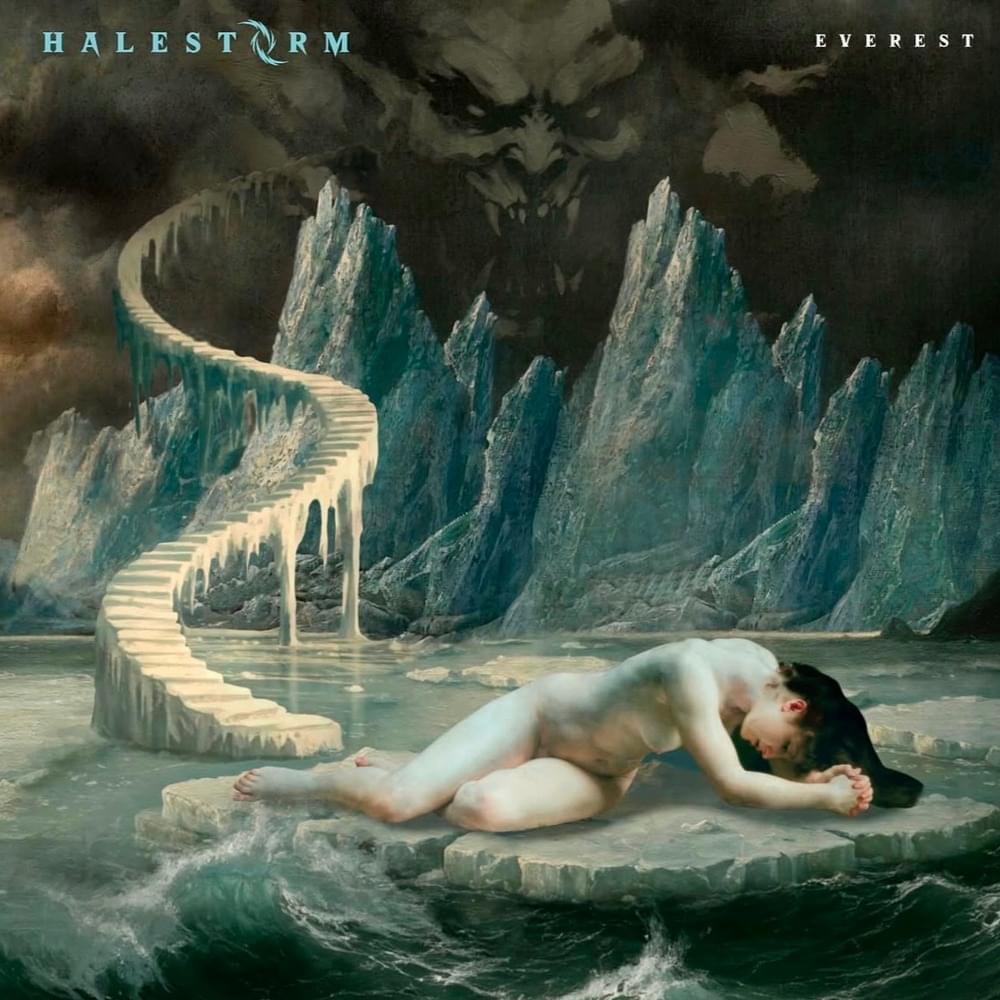
 View Artist