Song Meaning
This track opens with a direct address, recalling a past where Filipino music wasn't highly valued. The narrator points out a common perception: that the best songs were always imported, not homegrown. This sets up a clear contrast between external influence and internal artistic merit. It’s a nostalgic look back at a time when local talent was seemingly overlooked.
The core tension arises from challenging this widespread dismissal of Filipino music. The lyrics urge listeners to pay attention, suggesting that a closer look at local radio and TV reveals a different truth. The repeated phrase "'di nahuhuli" (not falling behind) acts as a defiant assertion of parity, pushing back against the idea of being inferior to foreign productions. It’s a call to recognize the quality that was present all along.
The most striking element is the simple, yet powerful, repetition of "'di nahuhuli." This phrase functions as a mantra, reinforcing the central argument against the initial premise. It’s not just about catching up; it’s about realizing that Filipino music was never actually lagging. The outro then lands this point with a triumphant declaration: "Sa ating musikang sariling likha" (In our own created music).
Ultimately, the effectiveness of these lyrics lies in their directness and the subtle shift in perspective they encourage. By starting with a shared, albeit flawed, memory and then systematically dismantling it with a confident assertion of local pride, the song builds a compelling case for appreciating homegrown artistry. It’s a concise and effective rallying cry for national musical identity.
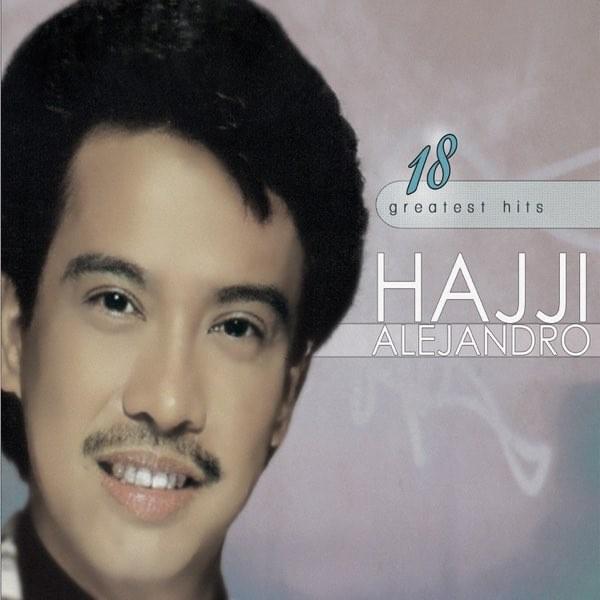
 View Artist