Song Meaning
The lyrics paint a stark, visceral picture of a crematorium worker's grim reality. The relentless repetition of "Corpses, Corpses, Corpses" immediately establishes a tone of morbid obsession and the overwhelming nature of the job. The narrator focuses on the raw, physical process: the "Foul smell of cremation," the "smoke of scorched flesh and bones," and the act of "Fueling the furnace with bodies of the dead." This isn't a gentle elegy; it's a blunt confrontation with mortality's final, fiery transformation.
The central tension lies in the narrator's detached yet mesmerized perspective. While describing the gruesome details of consuming "coffins and decayed human remains," the narrator admits, "My mind is mesmerized gazing into these flames." This hints at a complex psychological response, perhaps a coping mechanism or a disturbing fascination with the destructive power and finality of the process. The declaration "Don't ask me where I work...I work in hell!!" serves as a dark punchline, equating the inferno of the crematorium with a literal hell.
The most striking craft element is the stark, almost clinical language juxtaposed with the narrator's intense, almost hypnotic gaze. Phrases like "Ashes to Gases... Pus to dust..." are delivered with a chilling finality, reducing life to its base components. The concluding "Rest in fire..." twists a traditional farewell into a statement of the crematorium's ultimate purpose, emphasizing the destructive element over peace. This deliberate reduction of human existence to mere physical byproducts is the core of the song's unsettling effect.
What makes these lyrics hit so hard is their unflinching focus on the physical decomposition and the narrator's peculiar emotional detachment. By stripping away sentimentality and focusing on the raw, sensory details of burning bodies, the song forces a confrontation with the less palatable aspects of death. The narrator's mesmerized state and self-proclaimed "hell" job create a disturbing character study, making the listener question the psychological toll of witnessing such constant finality.
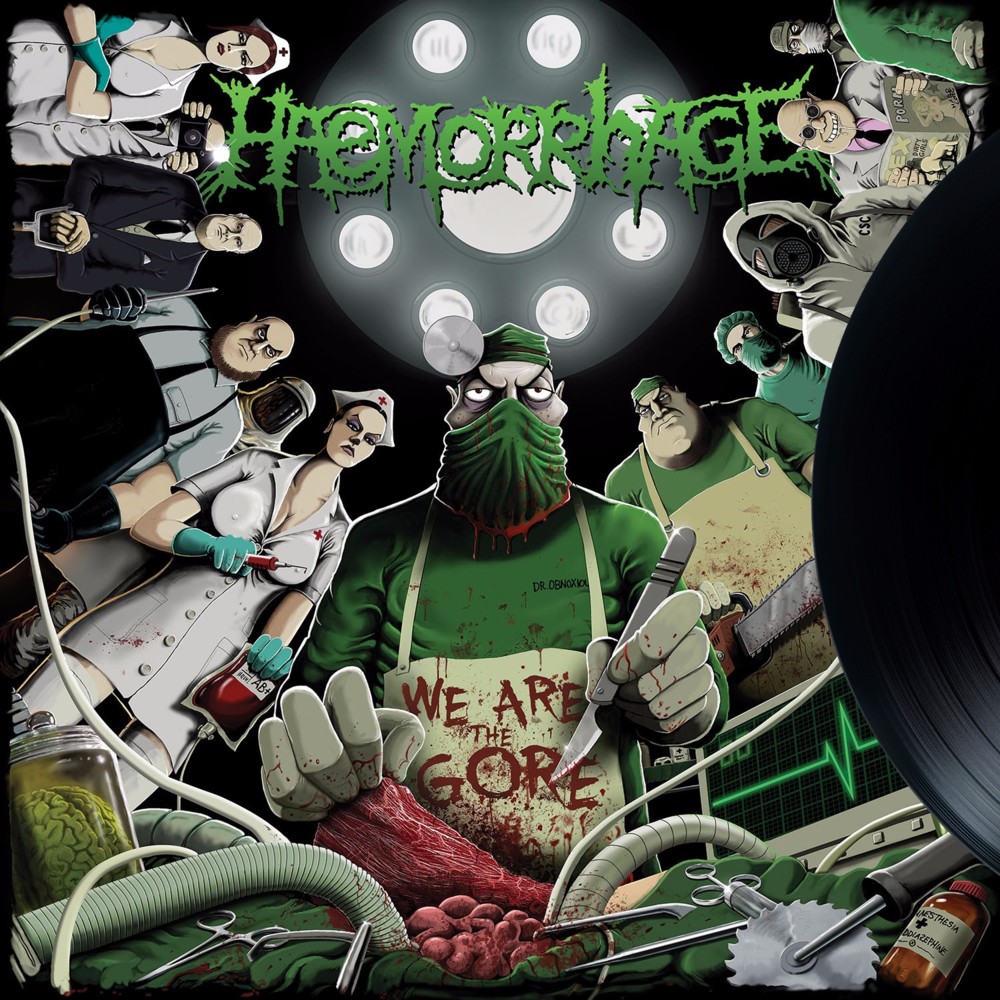
 View Artist