Song Meaning
The lyrics paint a picture of aging and a yearning for escape, framed by a recurring, almost ritualistic question: "What's the news of Chin Ko Chen's old man?" This opening immediately grounds the listener in a sense of routine and perhaps a distant concern, juxtaposed with the surreal offer of "take some fried poodle." The chorus then pivots to a hopeful, albeit conditional, future: marriage in Thailand, contingent on the possibility of "getting out of here someday." This creates an immediate tension between the present reality and a desired, almost fantastical, future.
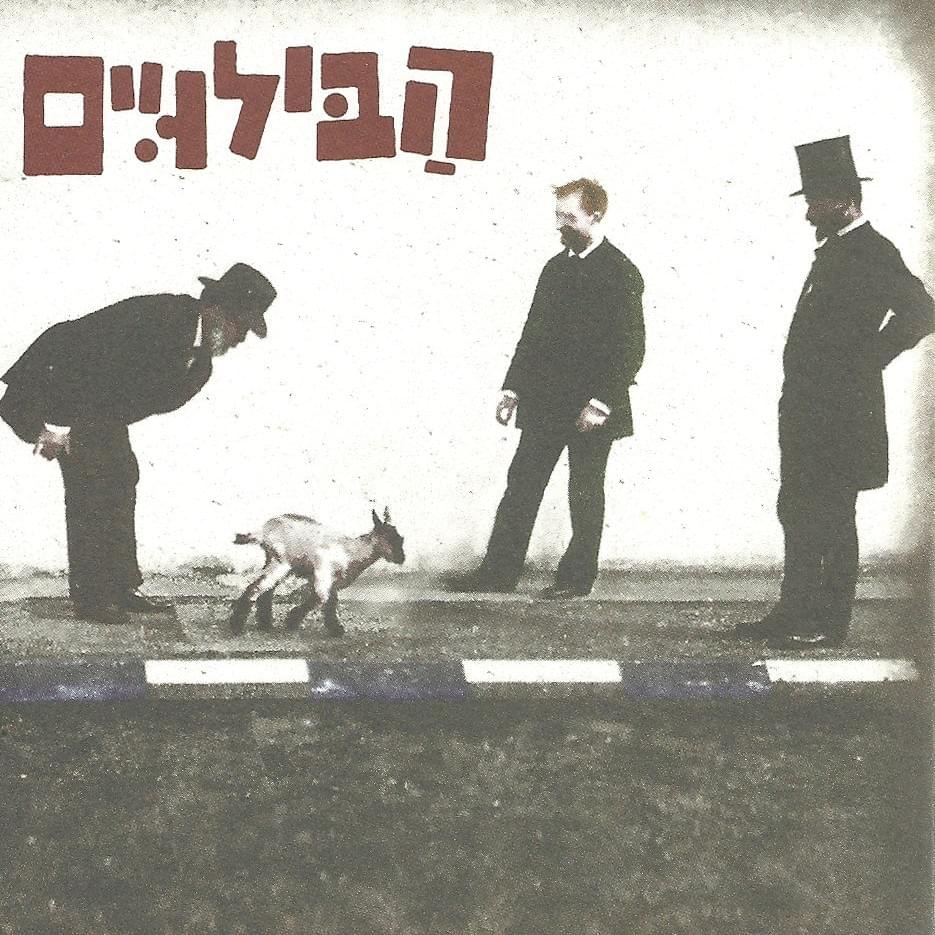
The verses delve into the feeling of being trapped and the passage of time. The image of "two old men ahead of us, every Sabbath, pushing a chair forward" suggests a slow, inevitable progression towards old age and dependency. The narrator's plea, "Where's Mom? Where are you?" hints at a search for connection or perhaps a lost figure amidst this decline. The lines "You think we'll still sit / also us – two old men?" directly confront the fear of becoming like those ahead, questioning the future state of their own relationship and existence.
The lyrics employ a disorienting blend of the mundane and the absurd to explore themes of love and memory in the face of mortality. The comparison of the narrator and their beloved to "rice with soy sauce" is a simple, comforting image of togetherness, yet it's immediately followed by a disregard for catastrophic events like "burning Sequoia / or Troy." This suggests a focus on their immediate bond, even as the world around them might crumble. Later, the narrator declares, "I remember Germany like your palm," a poignant, intimate memory, before stating, "I'm old, Matilda / Yes, Matilda, and how." This direct acknowledgment of age, coupled with the repeated affirmation of love "I still love yourself / Even if the hand is frostbitten / Do you love? Yes, you," anchors the abstract anxieties in a deeply personal, enduring affection.
What makes these lyrics resonate is their raw, unvarnished portrayal of aging and the persistent human desire for a better future, however improbable. The juxtaposition of the mundane (fried poodle, rice with soy sauce) with the existential (old age, potential destruction, escape) creates a unique emotional landscape. The repeated question about the old man acts as a refrain, a constant reminder of the present, while the dream of Thailand offers a fragile hope. It’s this delicate balance between the weight of the present and the allure of an imagined escape that gives the song its peculiar, melancholic power.