Song Meaning
The lyrics of "Mali Ba" paint a vivid picture of a spiritual or traditional ceremony, possibly a coming-of-age ritual, centered around a figure referred to as "Màliba." The opening lines establish a sense of reverence and perhaps a plea, with "Abira dè y'à fɔ́ Màliba b'íko ntúramisi," suggesting an invocation or a message directed to Màliba. The repetition of "Mìsi mín" (my things/my spirit) and its connection to "sánu wùlen" (six months) and "sánuman" (six people) hints at a structured, perhaps cyclical, process involving offerings or spiritual elements. The tone feels both solemn and expectant, as if awaiting a significant outcome or blessing.
The central tension seems to revolve around sacrifice and protection. The phrase "Mìsi cáman yé kɛ́ sáraka yé" (many spirits are sacrificed) directly links spiritual entities to ritualistic offerings. This is juxtaposed with the idea of protection, as "Màramafɛn y'án kísi lá júgu mà" (evil spirits protect us from evil) and "ntúra ìn yé màrafɛn yé" (your spirit is an evil spirit). This suggests a complex, perhaps paradoxical, belief system where certain spiritual forces, even those associated with negativity, are harnessed for safeguarding. The repetition of "ntúra" (spirit) reinforces its crucial role throughout the ritual.
The most striking aspect of the craft is the interwoven nature of the spiritual and the protective. The lyrics repeatedly state, "N'í yé ntúra nìn yé, í yé Màliba yé" (If you are the spirit, you are Màliba), directly equating the protective spirit with the central figure. This blurs the lines between the divine, the sacrificial, and the guardian, suggesting that Màliba embodies all these facets. The recurring chant, "Bɛ́ɛ dè k'í jàntó" (Everyone praises you/everyone looks at you), acts as a communal affirmation of Màliba's power and significance, underscoring the collective participation in this spiritual acknowledgment.
This lyrical construction is effective because it immerses the listener in a specific cultural or spiritual context without explicit explanation. The repetition of key terms like "ntúra" and "Màliba," combined with the ritualistic descriptions of sacrifice and protection, creates a powerful sense of tradition and communal belief. The ambiguity in the nature of the "màrafɛn" (evil spirit) being protective adds a layer of intrigue, making the invocation of Màliba feel both ancient and deeply potent. The lyrics resonate by presenting a worldview where spiritual forces are actively engaged in the protection and well-being of the community.
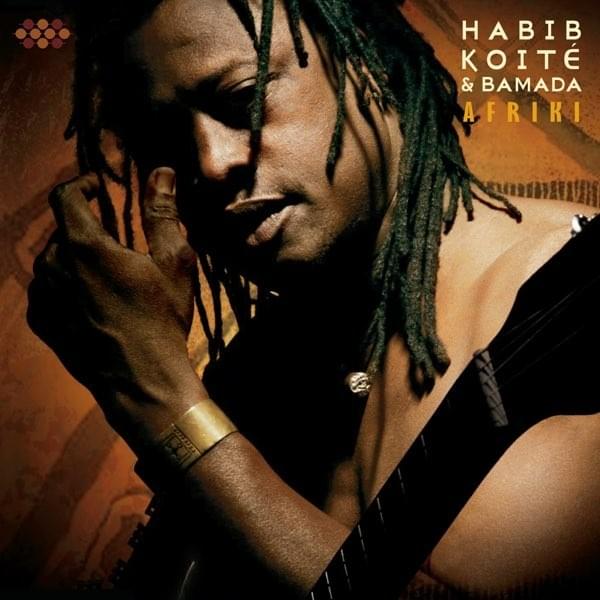
 View Artist