Song Meaning
This track opens with a direct address, a seasoned voice offering encouragement to a younger listener navigating life's challenges. The advice is framed around perspective and expression: "Potraktuj z lotu ptaka" (Treat it from a bird's-eye view) and "Wyrażaj ducha swego wyraźniej" (Express your spirit more clearly). The emphasis is on a simple, joyful approach to self-expression, listing concrete actions like smiling, moving, painting, and dancing as the path forward.
The core tension emerges as the lyrics pivot from this broad encouragement to a more specific, almost defensive, clarification of what Rastafari represents. The narrator pushes back against reductive interpretations, stating "Roots to nie fetysz, Rastafari to nie pop pulpety" (Roots aren't a fetish, Rastafari isn't pop pudding). This suggests a frustration with superficial understandings of a deeper philosophy or lifestyle.
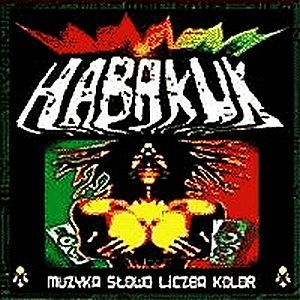
The most striking element is the stark contrast presented in the chorus. Rastafari is repeatedly defined not by what it is perceived to be – "nie kawał mięsa" (not a piece of meat) – but by what it is fundamentally: "to ziele, pamiętaj" (it's herb, remember). This direct, almost blunt, assertion strips away any potential for misinterpretation, focusing on a single, potent element. The earlier mention of "muzyka słowo liczba kolor" (music, word, number, color) as a potential alternative interpretation for some hints at the diverse ways people might engage with or misunderstand these cultural touchstones.
Ultimately, the effectiveness lies in this juxtaposition of gentle guidance and firm correction. The lyrics aim to empower the listener with a sense of agency in their own expression while simultaneously safeguarding the integrity of a specific cultural identity. The simple, declarative statements in the chorus leave no room for ambiguity, grounding the listener in a clear, albeit singular, definition.
 View Artist