Song Meaning
The song opens with a stark admission: "I really don't know who you are." This immediately sets a tone of profound confusion and detachment, even as the narrator urges someone else not to be afraid. There's a desperate plea woven in, suggesting a deep dependence: "If it were really me, I have no one but you." This isn't just about not knowing someone; it's about a fractured sense of self and an overwhelming reliance on another person.
The verses paint a picture of hesitant self-reinvention. The narrator opens a window to damp air, a subtle acknowledgment of stagnation, and tries to wash their face, a ritual of renewal. They push open the door, claiming to have changed, yet the image of a flattened bug on the windowpane, a persistent reminder of past destruction, lingers. This bug, the lyrics suggest, "still has words to say," urging the narrator not to hesitate, highlighting an internal conflict between the desire for change and the weight of past experiences.
The core tension lies in this push and pull between self-discovery and dependency. The repeated chorus, "I really don't know who you are," becomes a refrain of existential uncertainty. Is the narrator questioning their own identity, or the identity of the person they're addressing? The phrase "If it were really me, I have no one but you" suggests that the narrator's sense of self is so intertwined with this other person that they can't imagine existing without them, creating a precarious emotional state.
What makes these lyrics so compelling is their raw portrayal of vulnerability and the struggle for selfhood. The imagery is understated but potent: the damp air, the washed face, the flattened bug. These small details build a quiet desperation, a feeling of being stuck yet yearning for a breakthrough. The narrator's insistence on having "no one but you" isn't just a statement of love; it's a confession of a fragile identity, making the plea to not be afraid all the more poignant.
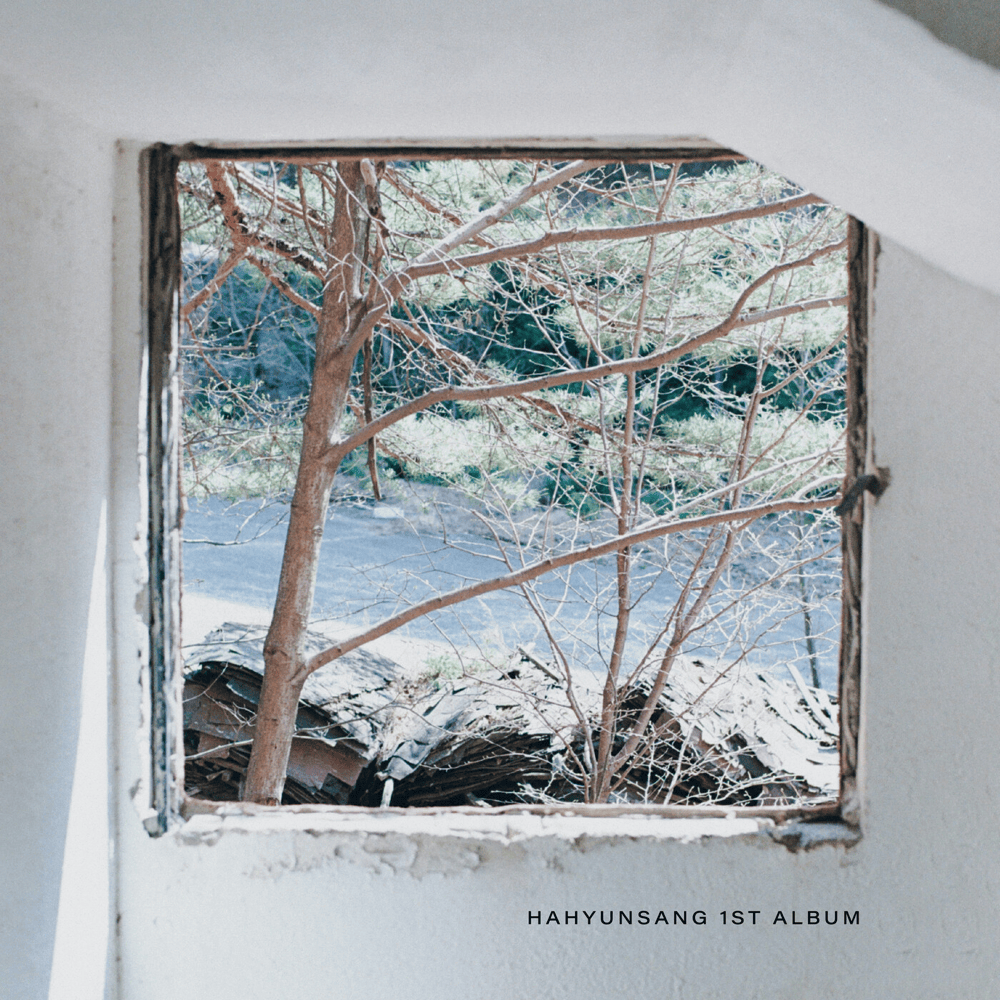
 View Artist