Song Meaning
The lyrics paint a picture of stagnant melancholy, starting with the familiar "Same old rain" and "Same old town." There's a sense of passive observation, where even the "철벅이는 빗물이" (splashing rainwater) and "어지럽게 쌓여진 기억들이" (chaotically piled memories) are met with indifference, a "딱히 아무 일도 아니었지" (it wasn't really anything) and "딱히 궁금하지도 않았지" (I wasn't really curious). This sets a tone of resigned apathy, where the external world and internal recollections alike fail to stir any significant feeling.
The core tension arises from a desperate plea to rewind time, encapsulated in the repeated question, "Can I do it all over again?" This is immediately followed by a raw admission of confusion and pain: "어디서부터가 잘못된 건데" (Where did it go wrong?). The narrator’s vulnerability is laid bare in the subsequent lines, "나를 좀 구해줘요 / 나를 좀 안아줘요 / 나 이대로 주저앉을래" (Please save me / Please hold me / I’ll just collapse like this). It’s a cry for rescue and comfort, coupled with an overwhelming urge to simply give up.
Verse 2 introduces a subtle but significant shift, with the narrator attempting to downplay their earlier outburst: "나 그냥 해본 말이야 / 주절대본 것뿐이야 / 그러니 별일 아녜요" (I was just saying / I was just rambling / So it's no big deal). This self-correction feels like a defense mechanism, an attempt to regain control or avoid further vulnerability after such an intense emotional outpouring. The contrast between the desperate chorus and this dismissive verse highlights an internal struggle between acknowledging deep distress and the impulse to mask it.
Ultimately, the lyrics resonate because they capture the paralyzing feeling of being stuck, unable to move forward or even feel properly. The outro’s "아무렇지 않은데 / 느껴지질 않는 건데 / 굳어진 게 펴지질 않아" (It’s like nothing’s wrong / I can’t feel it / What’s hardened won’t unfold) articulates a profound emotional numbness. The repeated "Na-na" refrain, rather than offering solace, feels like a hollow echo, emphasizing the emptiness and the inability to break free from this pervasive, unchanging state.
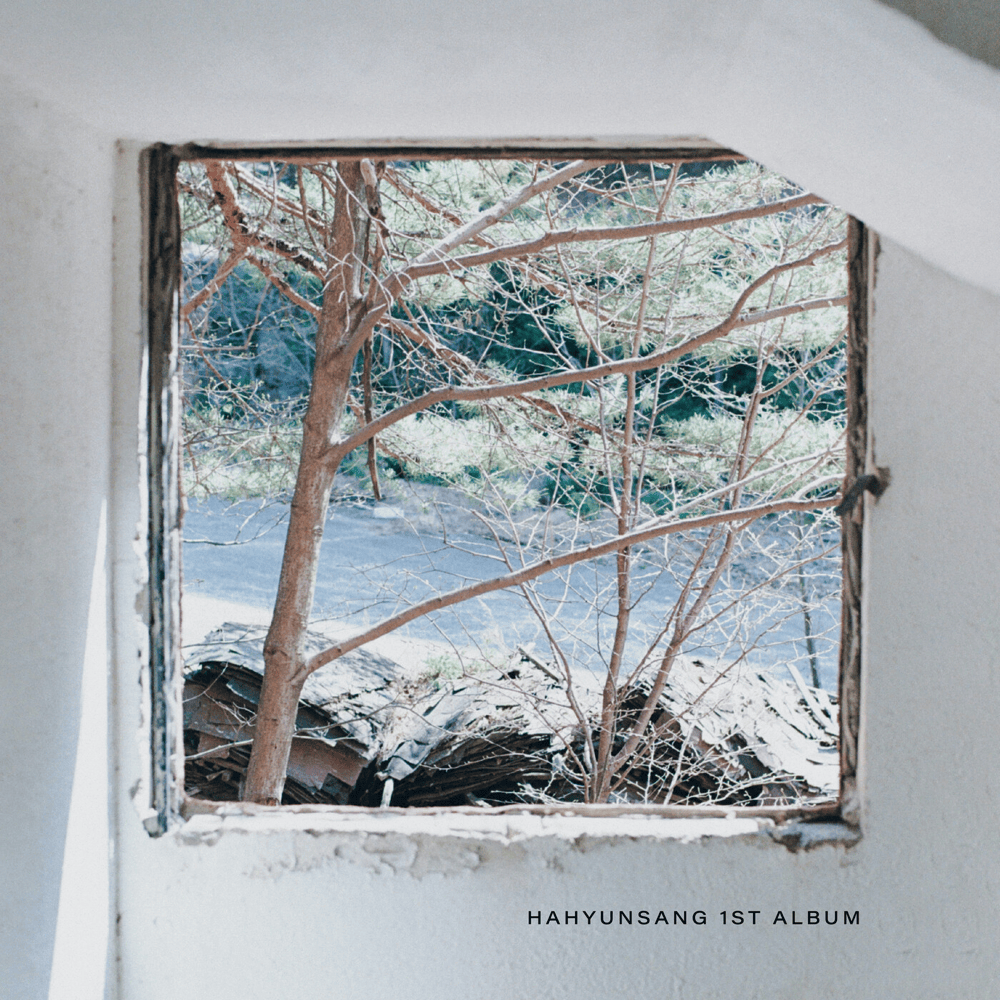
 View Artist